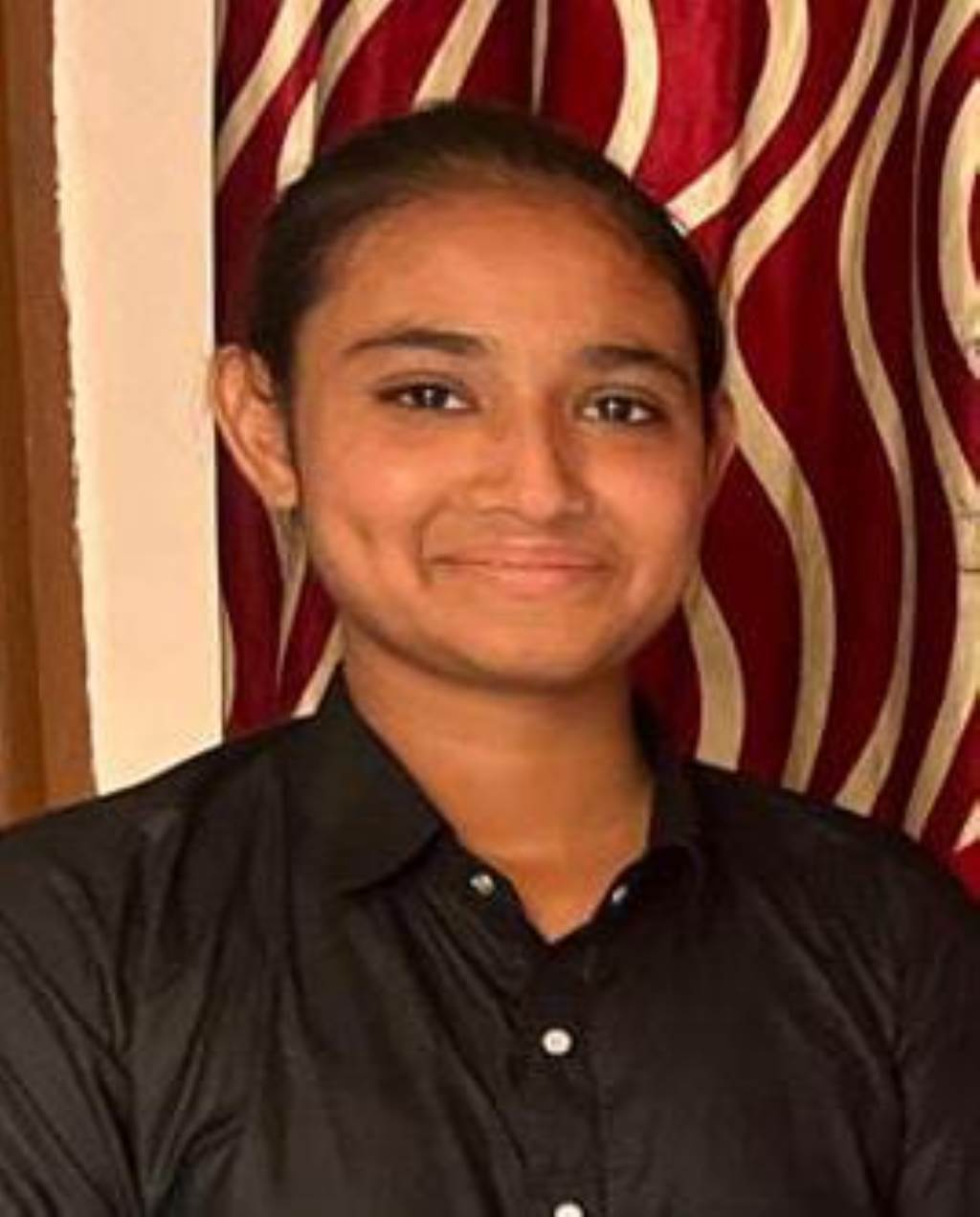
Chandigarh:- In a deeply moving act of compassion, the family of 18-year-old Surinder Kaur, a resident of Village Teur, Kharar, Mohali, Punjab, donated her organs following her unfortunate demise. The donation gave a new lease of life to two patients with end-stage renal disease and the gift of sight to two others, impacting four lives at PGIMER, Chandigarh.
Prof. Vivek Lal, Director, PGIMER, appreciated the family's courageous decision, saying, “Organ donation is one of the most profound expressions of humanity. At a time of unimaginable personal loss, Surinder Kaur's family chose to give hope to others. Their decision reminds us that even in grief, a family can create a legacy of life.”
Surinder Kaur was admitted to PGIMER on August 23, 2026, following a road traffic accident. Despite treatment, she sustained irreversible neurological injury. After completion of the prescribed medical protocol and mandatory assessments, brain-stem death was declared on August 25 by the Brain Stem Death Committee.
Her mother and next of kin, Mrs Santosh Kaur, consented to organ and tissue donation. She said, “We cannot bring Surinder back, but we felt that if a part of her could continue to live through someone else, then her life would continue to have meaning. We hope that the people who receive her organs live healthy and happy lives.”
Dr Navdeep Bansal, Transplant Coordinator, PGIMER, said counselling a grieving family for organ donation is among the most sensitive aspects of the process. Mr Surjit Singh, a relative working at PGIMER, also played an important role in helping the family understand the significance of donation.
Following consent and medical assessment, both kidneys, pancreas and corneas were successfully retrieved. One kidney and the pancreas were transplanted together into a 31-year-old male through a Simultaneous Pancreas-Kidney (SPK) transplant. The second kidney was transplanted into a 15-year-old recipient at PGIMER, while the corneas will provide sight to two recipients.
Prof. H. S. Kohli, Professor and Head, Department of Nephrology, said both recipients had been on long-term dialysis and that timely evaluation, immunological assessment and multidisciplinary preparation were crucial to the successful transplants.
Prof. Ashish Sharma, Professor and Head, Department of Renal Transplant Surgery, highlighted the complexity of the SPK transplant. The recipient had a failed kidney transplant from his mother seven years earlier, while major veins in both upper and lower limbs were blocked, leaving limited dialysis access. The surgery also involved removal of the failed transplanted kidney and repair of the iliac vein. The four-component procedure took nearly 13 hours, with multiple teams working for almost 18 hours.
Dr Vijay Tadia, Nodal Officer, ROTTO North, PGIMER, said seamless coordination among treating teams, transplant specialists, anaesthetists, coordinators and support staff was essential at every stage, from donor identification and brain-stem death certification to retrieval and transplantation.
ROTTO North, PGIMER, continues to strengthen deceased organ donation across the northern region through hospital networking, awareness programmes, capacity building, counselling, training and support to transplant hospitals.
Surinder Kaur's legacy will live on through the lives touched by her donation, demonstrating that even in profound loss, organ donation can create hope, healing and new beginnings.
A life cut short organ donation brings new hope to four lives