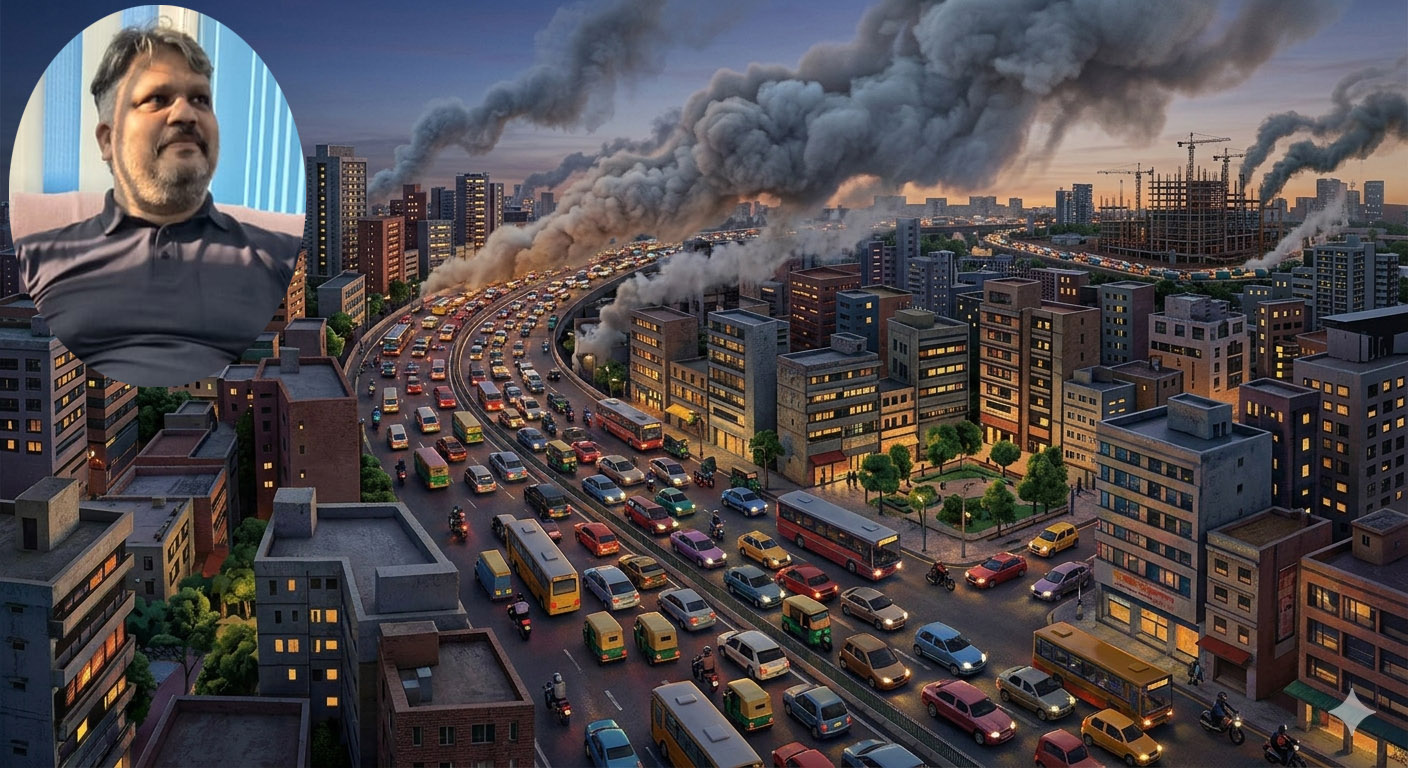
बढ़ता ट्रैफिक और प्रदूषण: शहरों के लिए एक चुनौती

आज के तेजी से बदलते शहरी जीवन में ट्रैफिक जाम और बढ़ता प्रदूषण ऐसी हकीकत बन चुके हैं, जिनसे लगभग हर नागरिक रोजाना रूबरू होता है। सुबह दफ्तर या स्कूल जाते समय सड़कों पर वाहनों की लंबी लाइन, हॉर्न की लगातार गूंज और हवा में मिला हुआ धुआं एक आम दृश्य बन गया है। शाम के वक्त यह हालात और भी गंभीर हो जाते हैं, जब वापसी करते वाहनों की भीड़ से सड़कें भर जाती हैं। यह दृश्य सिर्फ किसी एक शहर तक सीमित नहीं है, बल्कि बड़े और छोटे दोनों तरह के शहरों में नजर आता है। यह समस्या धीरे-धीरे बनी है, जिसमें हमारी जीवन शैली, आर्थिक विकास और योजना बनाने के तरीके सभी शामिल हैं।
आज के तेजी से बदलते शहरी जीवन में ट्रैफिक जाम और बढ़ता प्रदूषण ऐसी हकीकत बन चुके हैं, जिनसे लगभग हर नागरिक रोजाना रूबरू होता है। सुबह दफ्तर या स्कूल जाते समय सड़कों पर वाहनों की लंबी लाइन, हॉर्न की लगातार गूंज और हवा में मिला हुआ धुआं एक आम दृश्य बन गया है। शाम के वक्त यह हालात और भी गंभीर हो जाते हैं, जब वापसी करते वाहनों की भीड़ से सड़कें भर जाती हैं। यह दृश्य सिर्फ किसी एक शहर तक सीमित नहीं है, बल्कि बड़े और छोटे दोनों तरह के शहरों में नजर आता है। यह समस्या धीरे-धीरे बनी है, जिसमें हमारी जीवन शैली, आर्थिक विकास और योजना बनाने के तरीके सभी शामिल हैं।
शहरों का लगातार फैलाव इस स्थिति का एक अहम कारण है। नई आवासीय कॉलोनियां, व्यापारिक केंद्र और औद्योगिक क्षेत्र बन रहे हैं, जिससे शहरों की हदें बढ़ती जा रही हैं। यह विकास को बढ़ावा देता है, लेकिन इसके साथ ही यात्रा की जरूरत को भी बढ़ा देता है। जब रहने और काम करने वाली जगहों के बीच दूरी बढ़ती है, तो लोगों को लंबी यात्राएं करना मजबूरी बन जाता है, जिससे सड़कों पर वाहनों की संख्या बढ़ जाती है। इस तरह, विकास और आवागमन के बीच संतुलन बनाए रखना बहुत जरूरी बन जाता है, ताकि शहर सिर्फ बड़े न बनें, बल्कि प्रबंधित भी रहें।
निजी वाहनों की बढ़ती उपयोग भी ट्रैफिक की समस्या को और बढ़ाता है। आधुनिक जीवन में हर व्यक्ति अपने समय की कदर करता है और सुविधा को प्राथमिकता देता है, जिस कारण वह अपने वाहन के उपयोग को बढ़ाता है। यह व्यक्तिगत स्तर पर ठीक लगता है, लेकिन जब यह रुझान बड़े स्तर पर बढ़ता है, तो इसका असर सड़कों पर स्पष्ट नजर आता है। वाहनों की भीड़ बढ़ती है, जाम आम बात बन जाता है और यात्रा का समय लंबा हो जाता है। सार्वजनिक आवागमन के साधन मौजूद होने के बावजूद, अगर उनकी उपयोग कम रहती है, तो यह संतुलन और भी खराब हो जाता है। इसलिए यह जरूरी है कि व्यक्तिगत सुविधा और सामूहिक लाभ के बीच एक संतुलित दृष्टिकोण अपनाया जाए।
प्रदूषण के पहलू से देखा जाए तो यह समस्या सिर्फ पर्यावरण तक सीमित नहीं रहती, बल्कि स्वास्थ्य और जीवन की गुणवत्ता से भी जुड़ी हुई है। वाहनों से निकलने वाला धुआं, निर्माण कार्यों की धूल और हरे-भरे क्षेत्रों की कमी हवा की गुणवत्ता को प्रभावित करती है। इसका प्रभाव धीरे-धीरे लोगों की सेहत पर भी पड़ता है। सांस से संबंधित बीमारियां, थकान और मनोवैज्ञानिक तनाव बढ़ने लगते हैं। यह स्थिति हमें याद दिलाती है कि प्रदूषण सिर्फ एक पर्यावरणीय मुद्दा नहीं है, बल्कि यह जीवन से जुड़ी एक बड़ी चुनौती है, जिसे समय पर समझना और संभालना जरूरी है।
योजना बनाने के संदर्भ में यह बात स्पष्ट होती है कि शहरों को एक इकाई के रूप में देखना बहुत जरूरी है। सिर्फ सड़कों को चौड़ा करना या नए फ्लाईओवर बनाना ही समाधान नहीं है। यह भी देखना लाजमी है कि आवासीय क्षेत्र, व्यावसायिक इलाके और आवागमन के साधन एक-दूसरे से कैसे जुड़े हुए हैं। जब यह तालमेल नहीं होता, तो ट्रैफिक और प्रदूषण दोनों बढ़ते हैं। इसलिए लंबे समय की सोच के साथ बनाई गई योजना बहुत जरूरी है, जो शहरों के भविष्य को ध्यान में रखकर तैयार की गई हो।
नागरिकों की भूमिका भी बहुत महत्वपूर्ण बन जाती है। सड़कों पर नियमों का पालन करना, बिना जरूरत के वाहनों के उपयोग से बचना और सार्वजनिक आवागमन को अपनाना वे कदम हैं जो हर व्यक्ति अपने स्तर पर ले सकता है। इसके साथ ही पर्यावरण के प्रति जागरूकता और साझी सोच को विकसित करना भी जरूरी है। ट्रैफिक, प्रदूषण और योजना से जुड़ी चुनौतियों को एक लंबी प्रक्रिया के रूप में देखने की जरूरत है। ये समस्याएं किसी एक दिन में पैदा नहीं हुई हैं और न ही एक दिन में खत्म होने वाली हैं। इसलिए संतुलित सोच, सहयोग और जिम्मेदार व्यवहार के साथ आगे बढ़ना बहुत जरूरी है। आज के छोटे-छोटे कदम भविष्य में बड़ा बदलाव ला सकते हैं। अगर हम समय पर जागरूक होकर अपनी भूमिका को समझें, तो हमारे शहर साफ और रहने योग्य बन सकते हैं, जहां विकास और जीवन की गुणवत्ता साथ-साथ आगे बढ़ सकें।
-दविंदर कुमार