New Delhi: The Rajasthan High Court (Jodhpur) has taken *suo motu* cognizance of issues concerning 'Generation Z', 'Generation Alpha', and 'Generation Beta'. The court expressed concern regarding junk food, excessive screen time, question paper leaks, a lack of basic amenities in rural schools, and the apprehension of declining foundational learning abilities in the era of Artificial Intelligence (AI). Individuals born between 1997 and 2012 are classified as 'Generation Z', while those born between 2013 and 2024 are considered 'Generation Alpha'. Children born between 2025 and 2039 will be known as 'Generation Beta'.
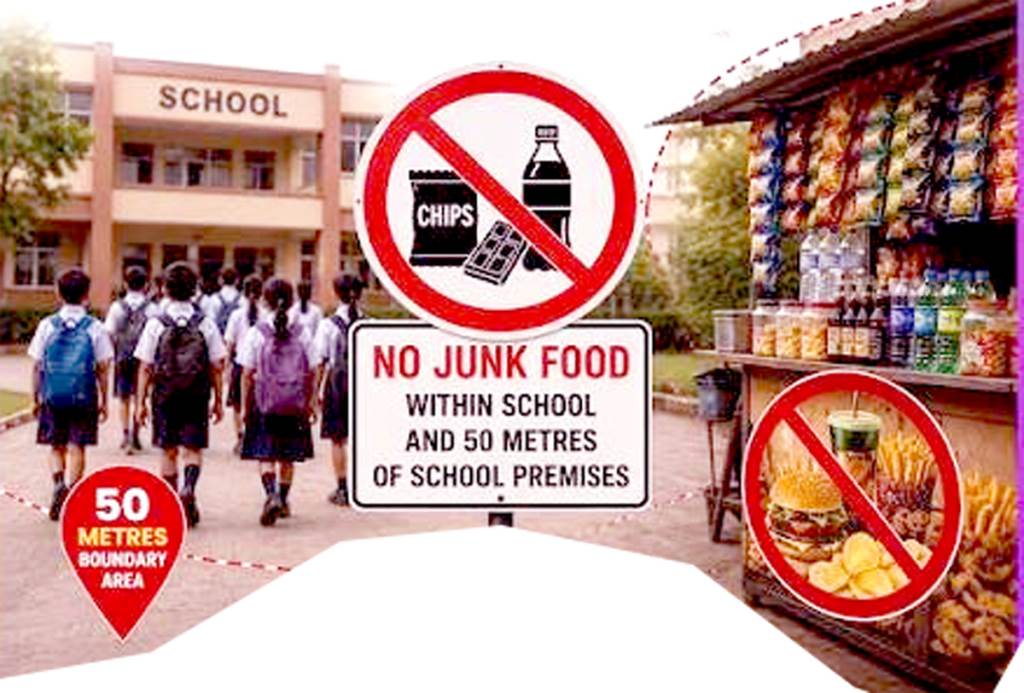
On Monday, a single-judge bench presided over by Justice Anoop Kumar Dhand banned the sale of food items high in fat, sugar, and salt within school canteens and a 50-meter radius of school gates. The banned items include carbonated drinks, chips, bakery products containing trans-fats, and other junk food. The court directed every school to constitute a 'School Food Safety and Nutrition Committee' within four weeks, comprising teachers, parents, and student representatives. Details of these committees must be uploaded to the Education Department's website.
The court further directed that the Mid-Day Meal scheme and other nutritional programs adhere to the balanced diet guidelines issued by the Food Safety and Standards Authority of India (FSSAI). It also ordered the establishment of a dedicated portal and helpline to address complaints regarding violations of food safety regulations.
The bench expressed concern over the rising 'mobile screen time' among children and their excessive reliance on technology. While acknowledging that AI and 'digital learning' are essential to prepare students for global competition, the court warned that technology should not replace fundamental and core learning skills. Emphasizing the need for a balance between 'digital learning' and traditional methods, the court highlighted the importance of handwriting, reading books, note-taking, independent thinking, and written examinations.
The bench also expressed concern over recurring question paper leaks. The court underscored the adverse impact of these leaks on students' mental health and academic planning, as well as the erosion of public trust in the examination system. It stressed the need to develop a completely secure system to prevent such leaks.
The court directed officials to address deficiencies in rural and remote government schools, particularly regarding teacher vacancies, smart classrooms, computers, internet connectivity, health check-ups, sanitation facilities, drinking water, and sports infrastructure.
Furthermore, the court asked the Central and State governments to formulate a plan to address the challenges faced by 'Generation Z,' including the gap between education and employment, social security for gig workers, affordable hostel and residential facilities, 'digital detox' programs, data privacy, and cybersecurity.
Lawyers have been appointed as *amicus curiae* to assist the court in examining issues affecting the three young generations. Directions have also been issued to place the matter before the Acting Chief Justice for listing it before the appropriate bench.
Significant High Court Order Ban on Junk Food Sales Within 50 Meters of School Gates