The Threat of Rumors in the Age of Social Media

In this era of information and technology, social media has become an integral part of human life. Platforms like Facebook, WhatsApp, X (formerly Twitter), Instagram, and YouTube have made the exchange of information very easy and fast. Today, any incident reaches millions of people within minutes of occurring. While this technology has become an important tool for connecting people, enhancing knowledge, and spreading awareness, a major threat is associated with it—the unchecked spread of rumors and misinformation. Previously,
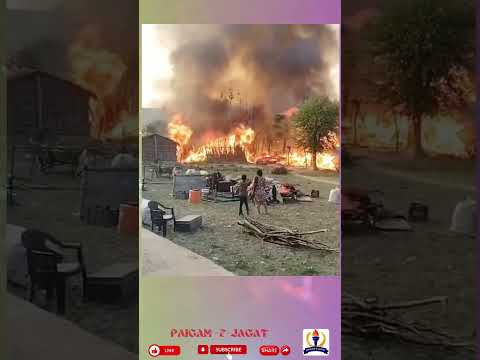
In this era of information and technology, social media has become an integral part of human life. Platforms like Facebook, WhatsApp, X (formerly Twitter), Instagram, and YouTube have made the exchange of information very easy and fast. Today, any incident reaches millions of people within minutes of occurring. While this technology has become an important tool for connecting people, enhancing knowledge, and spreading awareness, a major threat is associated with it—the unchecked spread of rumors and misinformation. Previously, rumors were limited to a village, neighborhood, or a specific area, and their impact was limited. But today, a false message, an old photograph, or a factless video reaches thousands or millions in minutes. Sometimes, people forward such content without verifying it, making a rumor seem like the truth.
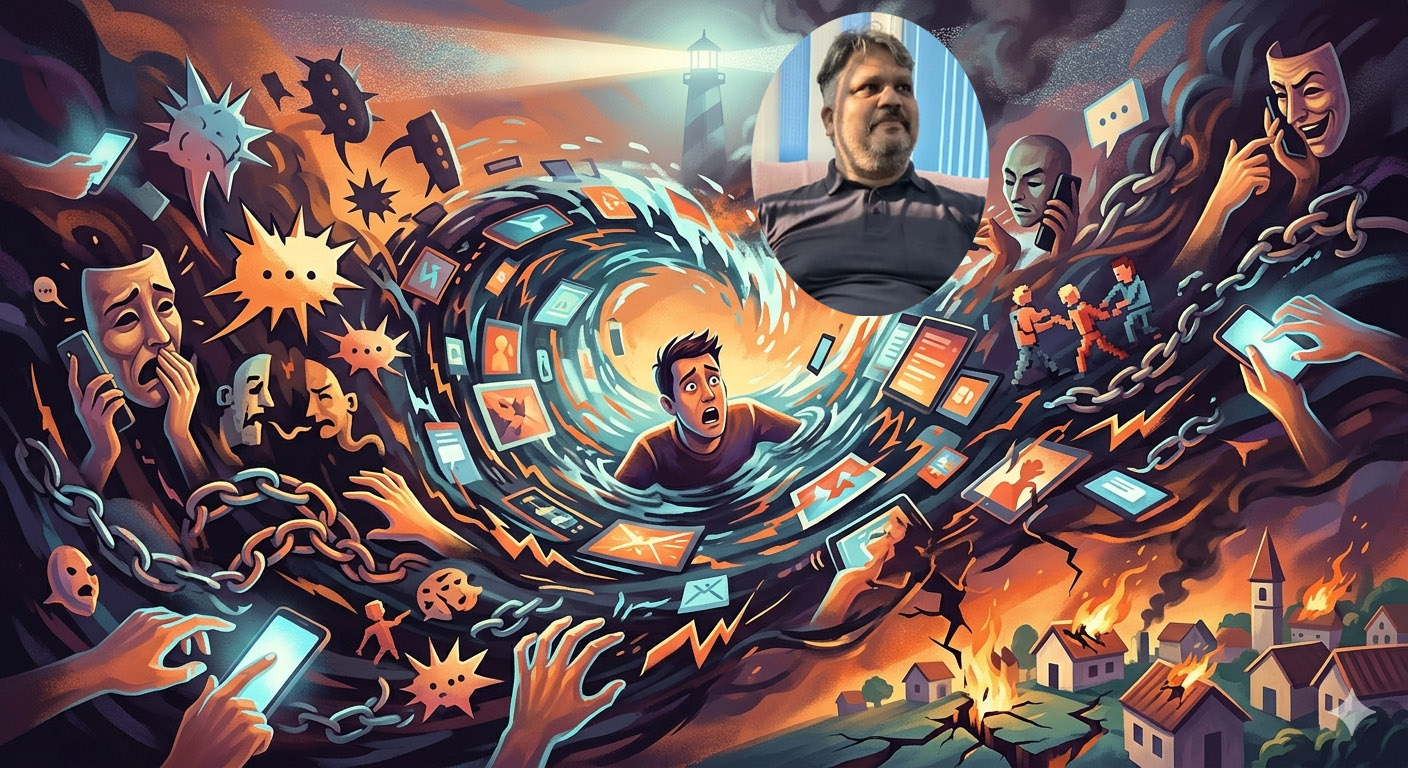
The biggest loss from rumors is to social harmony. Inflammatory posts related to religion, caste, language, or regional identity sometimes create tension in society. A piece of fake news can create an atmosphere of suspicion, fear, and hatred. To maintain social unity and mutual trust, it is essential that people verify sensitive information before forwarding it. The impact of rumors is not limited to the social sphere; it can also cause economic and administrative damage. Panic can be created regarding banks, companies, or government schemes. Furthermore, with the help of Artificial Intelligence and digital techniques, it has become easier than ever to create fake images, voices, and videos. This makes it difficult for a common person to distinguish between truth and falsehood.
Responsibility for this problem cannot be laid solely on governments or social media companies; every citizen has a crucial role to play. If a message seems surprising, emotional, or inflammatory, it should be verified from reliable sources rather than being accepted as truth. Becoming a responsible citizen in the digital world is a great necessity today. Educational institutions should also make special efforts to increase media and digital literacy among students.
Social media itself is neither good nor bad; it is a powerful tool whose impact depends on how we use it. If used responsibly, it can be a means of knowledge, awareness, and social progress. But if we become part of spreading rumors without thinking, this same medium can create mistrust, division, and instability in society.
Therefore, the greatest need of the hour is to prioritize the importance of truth over the speed of information. Only when every citizen adopts the habit of verifying facts and sharing information responsibly will we be able to effectively combat this growing threat of rumors.
— Davinder Kumar