
Changing picture of Rural India and new needs of development

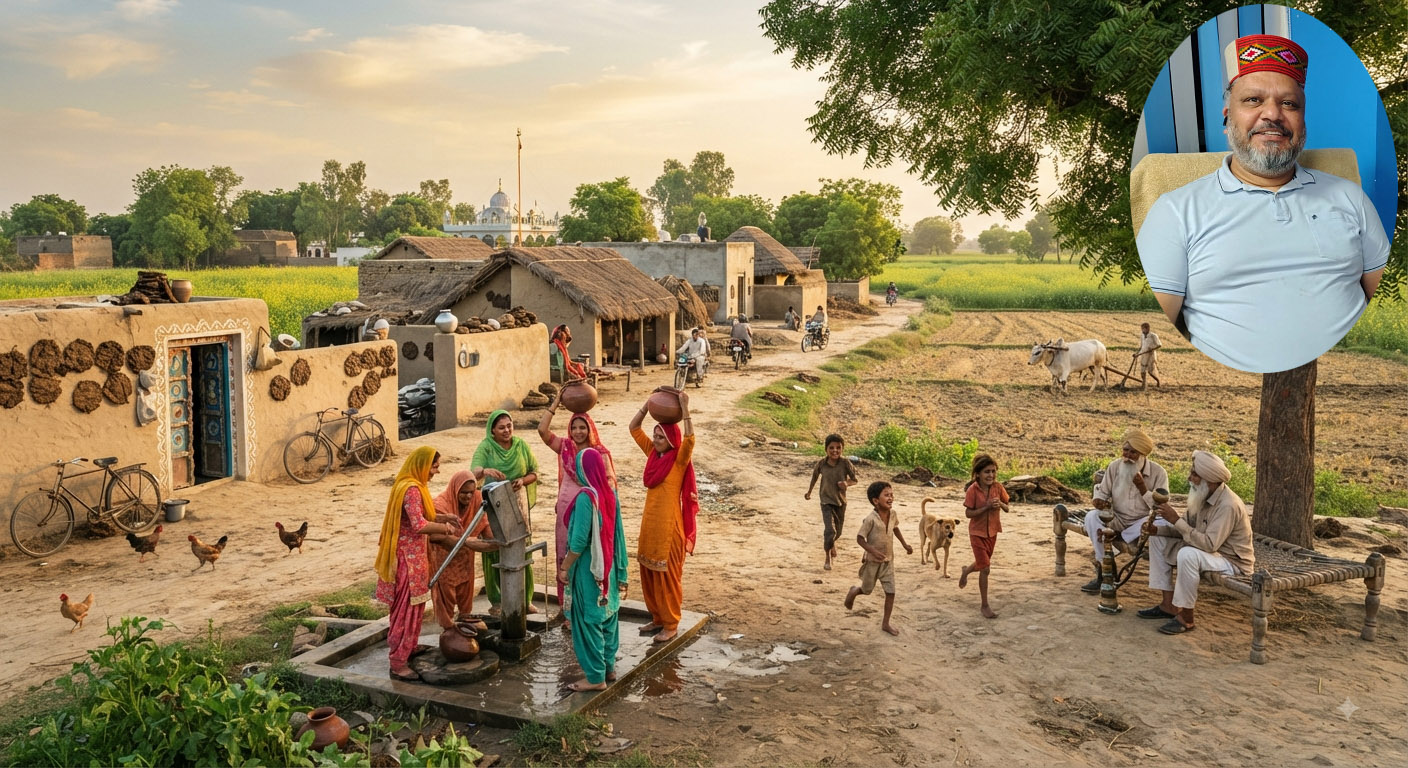
Picture of India's progress is often seen linked with big cities, new roads, industrial centres, tall buildings and digital facilities. But a big reality of India still lives in villages. People living here also want same facilities, opportunities and quality of life which are becoming common in cities. Therefore meaning of rural development now has not remained only agriculture or a road connecting one village to another village. It has become big question linked with education, health, employment, transport, internet, market and better life. There has been big expansion in rural roads during past decades, but maintaining it for long time than making new road sometimes becomes bigger challenge.
Picture of India's progress is often seen linked with big cities, new roads, industrial centres, tall buildings and digital facilities. But a big reality of India still lives in villages. People living here also want same facilities, opportunities and quality of life which are becoming common in cities. Therefore meaning of rural development now has not remained only agriculture or a road connecting one village to another village. It has become big question linked with education, health, employment, transport, internet, market and better life. There has been big expansion in rural roads during past decades, but maintaining it for long time than making new road sometimes becomes bigger challenge.
Government documents also accept that continuous financial source and administrative system is necessary for regular maintenance of rural roads. Roads get damaged with rain, lack of water drainage, heavy agricultural vehicles and continuous transport. Small broken parts if not repaired in time then they become big problems. In this way despite road being present connectivity is not complete.
Role of transport in connectivity also is changing. A regular bus service can become access for a student to college, for a patient to hospital, for a youth to job and for a small trader to market. Similarly mobile internet and digital services have opened new ways to connect villages with outside world. Still digital connectivity does not finish physical need of road, transport and health centre. For children of village having facility of online study is important, but to reach that reliable electricity, internet and equipment are also needed.
Income from agriculture, increasing expenses and increasing prices of land have made land for many families not only means of farming, but a big economic asset. When a family feels that amount received by selling land can be more than many years of farming income, then decision to sell land is taken. But this has another side also. In many new residential colonies being built on agricultural land houses are built, but facilities like roads, sewerage, water, drainage, park, school and public transport are not built with same speed. Immediate land profit is at its place, but long term infrastructure remains behind.
Animal husbandry once was part of daily economy of rural house. With milk, cow dung manure and extra income animals were also part of family life. Today demand for milk remains, but desire and time to keep animal in every house has decreased. Therefore picture is not only of decrease of animals, but of changing structure of rural economy. Desire for life that earns profit quickly and saves time has replaced many old practices. Needs of rural areas are increasing, but financial and technical resources of local institutions are not increasing with same speed everywhere. Today people do not want only street, drain or street light. They expect good roads, clean water, cleanliness and waste management, playground, health facilities, digital access and better education for children.
Difference between increasing expectations and limited resources is a serious challenge for rural development. When a youth sees quality education, job, income and facilities of modern life limited in his village, then going towards city or abroad can become natural option. In rural families tendency to sell land and invest money for children's education or to go abroad is also part of this big economic change. Money may come back home, but youth going out from village slowly changes social structure of village.
Rural India does not need to become copy of cities. Need is of such villages where along with agriculture small businesses, local employment, education, health, digital services, transport and strong infrastructure develop together. A rural road is not only layer of tarcoal, it is access to opportunities. A bus is not only means of ride, it is link connected with education and employment. A village is not only place to do farming, but a living economic and social unit.
- Davinder Kumar