
The Reality of Tricitys Infrastructure

A city’s identity is not built solely on tall buildings, IT parks, shopping malls, or new residential townships. A city is truly called a city when people can rely on its infrastructure every single day. Reliable electricity supply, a smooth sewerage and drainage system, timely waste disposal, pothole-free roads, streamlined traffic, and the ability to keep normal life running without disruption even during rainfall are the true scales of a city's development.
A city’s identity is not built solely on tall buildings, IT parks, shopping malls, or new residential townships. A city is truly called a city when people can rely on its infrastructure every single day. Reliable electricity supply, a smooth sewerage and drainage system, timely waste disposal, pothole-free roads, streamlined traffic, and the ability to keep normal life running without disruption even during rainfall are the true scales of a city's development.
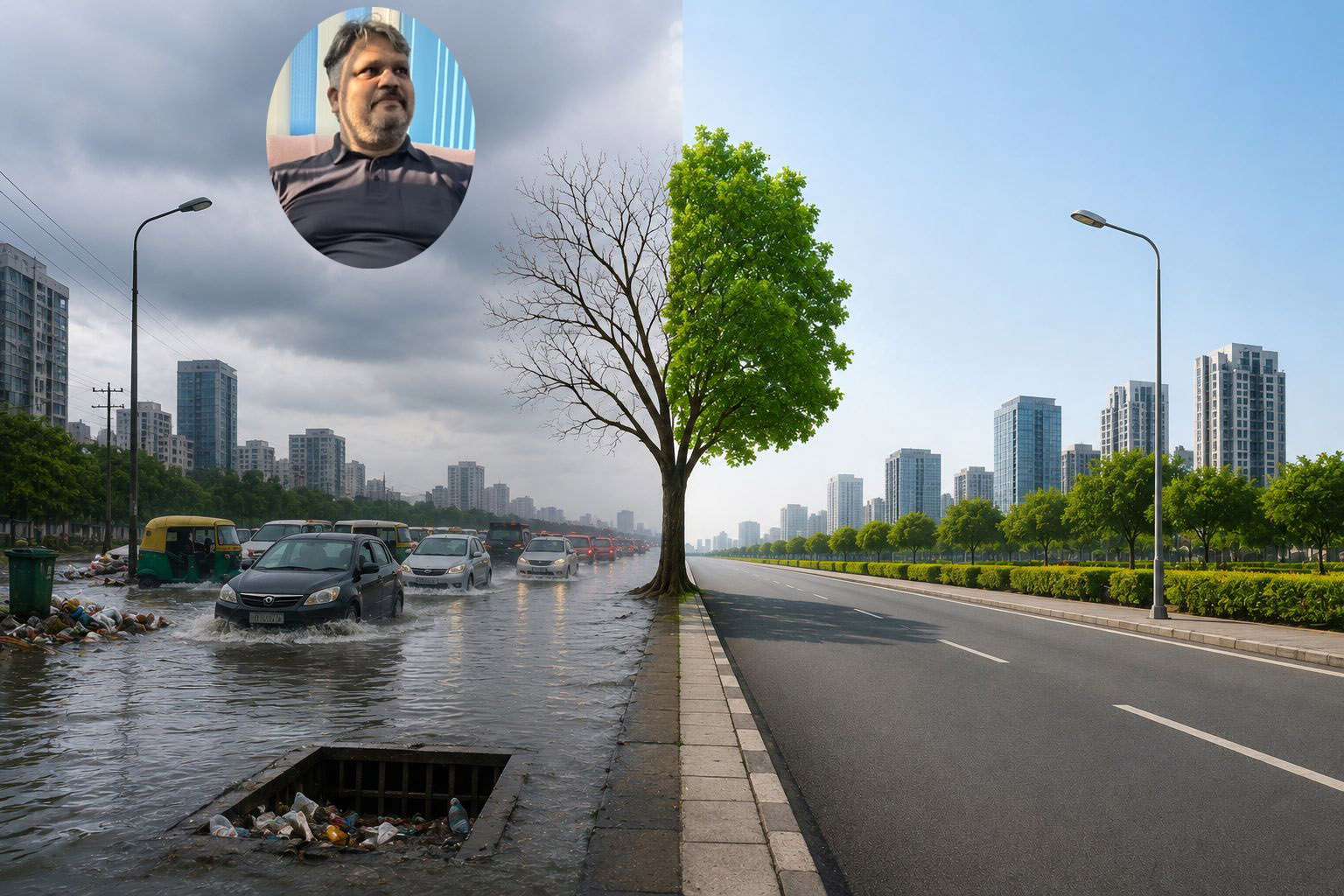
This week, rain in the Chandigarh Tricity region—especially in Chandigarh, Mohali, and surrounding areas—once again brought the true picture of this scale to the fore. The rain was not even for a full day; rather, it was for less than a quarter of the day. Yet, despite this, many main roads filled with water, traffic came to a halt, vehicles broke down, and people's daily lives were disrupted. This was not an extraordinary natural calamity; it was the kind of rain that any planned urban area should be prepared to handle.
However, the problem is not limited to rainy days alone. Rain merely removes the curtain behind which year-round shortcomings remain hidden. In many parts of the Tricity, frequent power outages have become a common occurrence. In several places, the problem of waste disposal persists continuously. Potholes on roads remain as they are for months, and many interior lanes are such that they have not even been carpeted for years. During the rainy season, these routes become a mixture of mud, water, and potholes, making normal movement difficult.
Even more concerning is the fact that in many places, people are forced to spend money out of their own pockets to make their streets and pathways usable. In some places, residents pool contributions among themselves to get repairs done, while in others, money is collected at various levels under the guise of building or fixing roads. In new residential colonies, after houses are sold, the responsibility for basic amenities often becomes murky. Residents keep running from pillar to post with their problems, but the wait for a solution grows longer.
Once a house is sold, neither the developer's accountability is clearly visible, nor do people understand where their grievances will eventually be heard. The Tricity region is counted among the prominent IT, education, and real estate hubs of northern India. Every year, thousands of people come here with the hope of employment, business, and a better life. New buildings and townships present a picture of development, but the real evaluation of development happens when an ordinary citizen does not have to struggle for basic amenities.
The biggest thing is that we have become so accustomed to these conditions that they no longer even feel extraordinary to us. Every monsoon, the same scenes emerge: waterlogged roads, traffic jams, stalled vehicles, and pictures going viral on social media. There is discussion for a few days, and then everything starts running as before. A short spell of rain brings out the true picture of our preparations, and then over the next few weeks, that exact picture fades from our memory. These circumstances also point to the fact that we are perhaps gradually becoming desensitized to these problems.
The solution does not lie in any seasonal action, but in long-term planning. Priority must be given to a scientific review of the stormwater drainage system, timely repair of roads, full availability of infrastructure in new colonies, reliable electricity supply, effective waste management, and accountable urban governance. The expansion of cities should happen not just with new maps, but with services that make that expansion sustainable.
Discussions about making cities "smart" often revolve around digital facilities and new projects, but the true test of development lies in the convenience of everyday life. If a short spell of rain is enough to expose the flaws of a major urban area, this is not a story of the weather, but of the infrastructure. And if the same story is repeated every year, the need of the hour is not just to drain out the water, but to change our mindset and planning.
- Davinder Kumar