
PunjabHaryana Farmers Honoured for Adopting Soil Fertility Restoration Practices

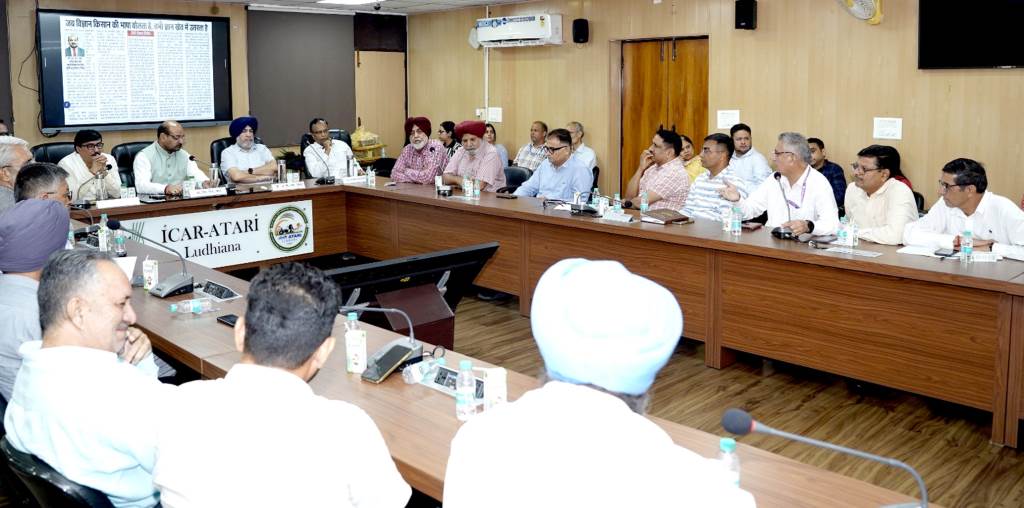
Ludhiana, September 15, 2026:- As an important step towards promoting climate-resilient agriculture, farmers from Punjab and Haryana who are adopting natural resource conservation practices were honoured. The event was organised under the theme "Honouring Our Farmers". It highlighted the emergence of carbon credits as an economic benefit. This benefit is derived from adopting practices that conserve soil and water resources while reducing harmful gas emissions.
The farmers were honoured in the presence of Dr. M. L. Jat, Director General, Indian Council of Agricultural Research, Dr. Rajbir Singh, Deputy Director General, and Dr. Usha Barwale Zehr, Executive Director, Growindigo. Senior officials, scientists, agricultural extension personnel, agricultural institutions and the farming community attended the programme to highlight the growing convergence of agricultural science, climate protection efforts and emerging economic opportunities.
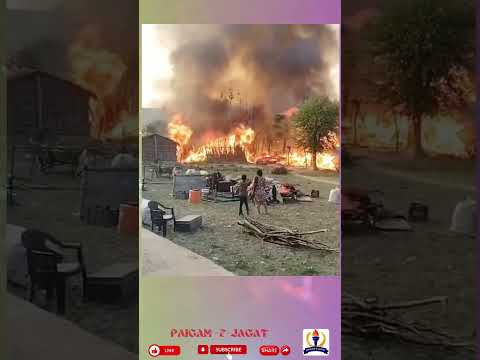
Dr. M. L. Jat also discussed with officials of the Krishi Vigyan Kendras in Punjab the action plan to be prepared to prevent the burning of paddy straw in the coming months. Dr. Jatinder Pal Singh Gill, Vice-Chancellor, advocated environment-friendly agricultural practices. This initiative is based on the transformation underway in north-western India, under which crop residue is being managed in the field instead of being burnt, along with the promotion of direct sowing, reduced tillage, crop diversification and restoration of soil health. Besides improving resource-use efficiency, these measures can generate environmental benefits that can be scientifically measured and verified and converted into carbon credits.
The carbon-credit programme launched by Growindigo in 2019 under the technical leadership of the Indian Council of Agricultural Research has provided a practical pathway to link such measures with financial benefits. This development is particularly significant for Punjab, where coordinated efforts by the Indian Council of Agricultural Research, Krishi Vigyan Kendras, agricultural universities, state departments and farming communities have contributed to a rapid reduction in farm-fire incidents, which were more than 83,000 in 2020 but fell to fewer than 5,000 in 2025. This experience demonstrates the potential of an integrated approach combining technology adoption, better residue management, soil-health improvement, water conservation and climate resilience.
The Memorandum of Understanding signed between ATARI, Ludhiana, and Growindigo will further strengthen institutional cooperation in this area.
The initiative also aligns with India's growing international engagement on agricultural science and regenerative agriculture. The BRICS New Delhi Declaration adopted in September 2026 has provided a broad platform for sharing experiences in agro-ecology and regenerative agriculture for climate resilience and productivity.
The Ludhiana programme has been significant in demonstrating how climate action in agriculture can be linked with tangible economic opportunities at the farm level.