

Prevention before treatment

Strength of health system cannot be judged only by big hospitals, modern machines or treatment facilities. Real test is also how much disease can be prevented or detected before becoming serious. Information about thousands of cases of septic shock in Punjab and huge expenditure on their treatment draws attention towards this big aspect. This matter is not limited to only one disease or treatment system, but gives opportunity to think how major part of health care can be strengthened even before reaching hospital.
Strength of health system cannot be judged only by big hospitals, modern machines or treatment facilities. Real test is also how much disease can be prevented or detected before becoming serious. Information about thousands of cases of septic shock in Punjab and huge expenditure on their treatment draws attention towards this big aspect. This matter is not limited to only one disease or treatment system, but gives opportunity to think how major part of health care can be strengthened even before reaching hospital.
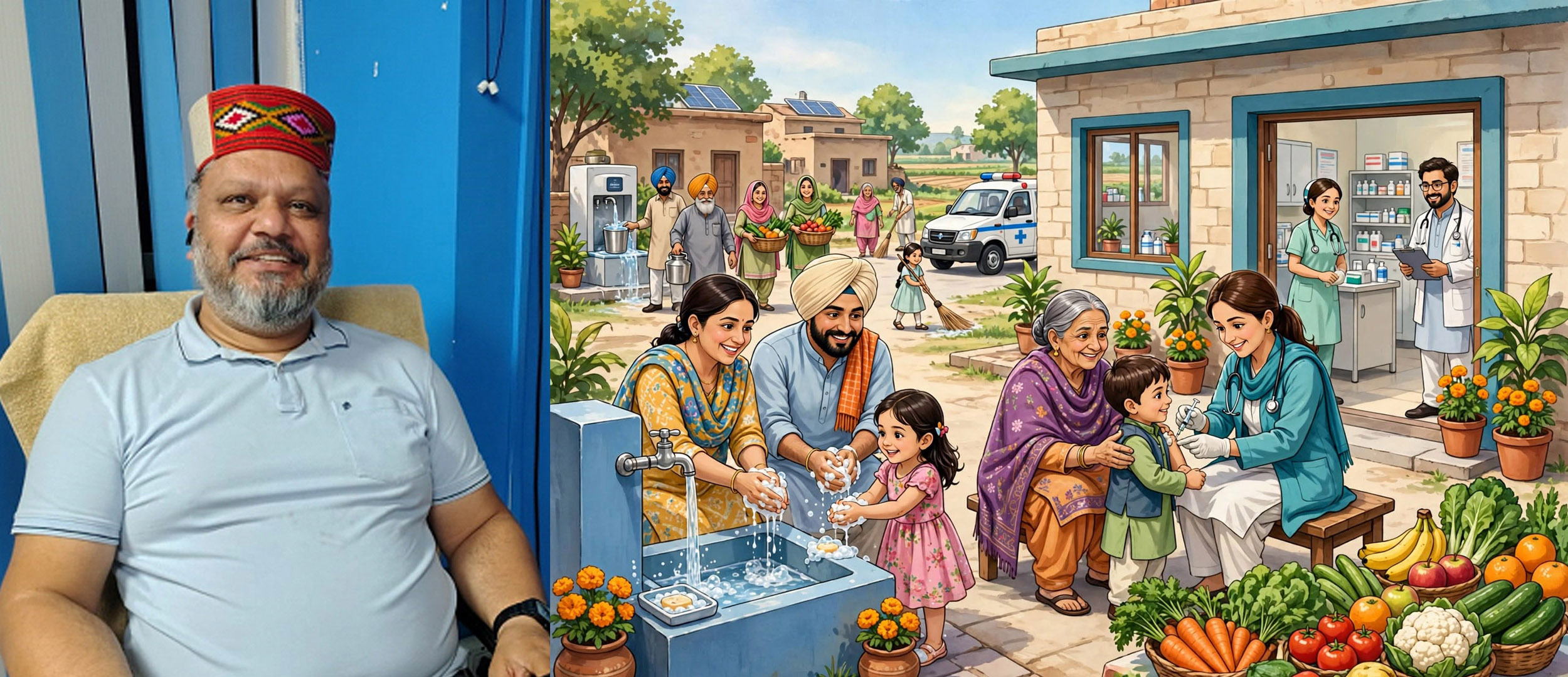
Sepsis is a life-threatening condition caused by severe reaction of body to an infection. If timely identification and treatment is not received, it can become cause of septic shock, serious disruption in functioning of organs and death. Therefore it will not be right to consider it only as problem of hospitals. In its prevention, home, community, primary health service and whole chain till hospital has role. Most important aspect is that many serious infections start from common symptoms. Basic steps like cleanliness, safe water, sanitation, safe food, vaccination and personal hygiene are not just general health advice, but part of prevention of serious diseases. Awareness among people is also necessary that ignoring every fever or infection for long time is not right. Rapid deterioration of body condition, extreme weakness, difficulty in breathing, confusion or other serious symptoms can point towards need of timely medical advice.
Here role of primary health services becomes more important. Every patient does not need big hospital directly, but identification of serious patient and sending for higher level treatment at right time is very important. With strengthening of expert staff, necessary investigation facilities and referral system in Primary Health Centres and other primary health facilities, many patients can get help before reaching serious condition. Along with this, performance of ambulance and emergency services is also equally important. For serious patient, only reaching hospital is not enough, but it is also necessary to quickly take right patient to centre with right facility. Better coordination between ambulance services, primary health centres, district hospitals and big medical centres can affect results of treatment.
Another important aspect of health care is infection control inside hospitals. Clean environment, proper hand hygiene, cleanliness of equipments and compliance of rules can help in protecting patients from infections associated with health services. Along with this, proper use of antibiotic medicines is also necessary. Taking antibiotic on own will or starting treatment without medical advice can increase problem of antimicrobial resistance which reduces effect of medicines. Health is a shared responsibility. Just as citizens should be aware about cleanliness, safe water, vaccination and timely treatment, similarly various government departments should also work keeping overall health of citizens in mind. Water and sanitation, education, local administration, health, food safety and emergency services are interconnected. Weakness of one department can also put burden on other.
Instead of spending huge expenditure for treatment of serious disease, if more importance is given to prevention, primary checkup, awareness and early treatment then in long term burden on both patients and health system can be reduced. Every disease cannot be prevented, but by timely identifying many serious conditions their outcomes can be improved. Therefore there is need to see health system not just as system treating disease but as a whole structure which can support people before they reach serious stage of disease. From cleanliness to primary health service, from awareness to emergency response and from primary centre to big hospital every link has its own importance. Strengthening hospitals is essential, but real foundation of healthy society is built in those steps which are taken before disease becomes serious.
- Davinder Kumar