Massive multicrore fraud by dismissed peon Bathinda police tighten the noose

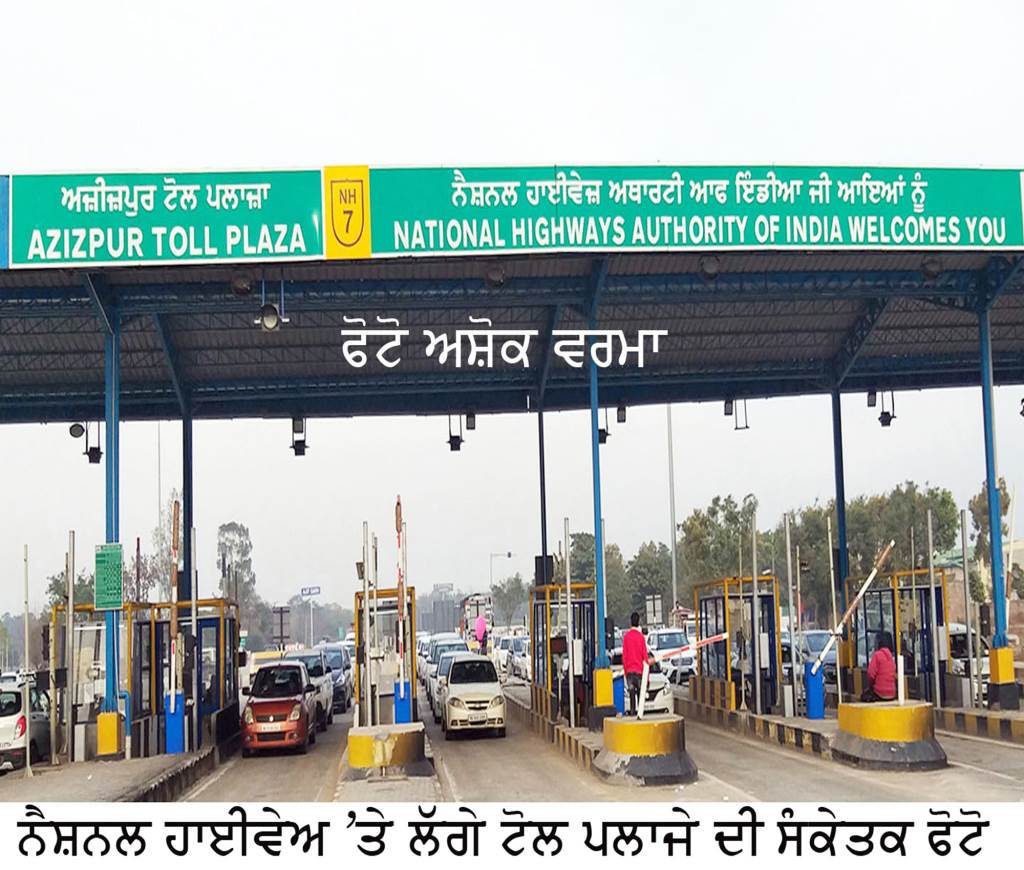
Bathinda, July 28, 2026: While scams involving the promise of government tenders frequently make headlines, a massive fraud case worth ?7 crore regarding the allocation of a toll plaza has come to light in Bathinda. In this shocking case, the perpetrators not only misused the name of the National Highways Authority of India (NHAI) but also opened fake bank accounts in the department's name, created fake officials, and used forged documents to swindle a Delhi-based businessman out of ?7.04 crore.
What makes this case particularly striking is that the prime accused is none other than Rakesh Goyal, a dismissed peon of the NHAI. The Thermal Police Station has registered a case against Rakesh Goyal, his wife, his brother-in-law, his sister's husband (brother-in-law), and one other individual. The entire scam was uncovered during the police investigation.
Currently, the accused are reported to be absconding, and the police are conducting raids to apprehend them. It is also noteworthy that just two days prior, a case had already been registered against this same Rakesh Goyal for a fraud of ?2.40 crore involving the promise of a toll plaza tender, and now this new incident has surfaced. According to the police, the complainant, Manish Gupta—a resident of Paharganj, Delhi—runs a firm named 'Sham Creations'.
He had met Rakesh Goyal, a resident of Bathinda, at Khatu Shyam in Rajasthan. At that time, Rakesh Goyal claimed to have high-level connections and assured him that he could secure a toll plaza tender. To build trust, Rakesh Goyal held several meetings with him in Khatu Shyam, Saharanpur, and Delhi.
During this process, the accused, Rakesh Goyal, not only arranged meetings with alleged NHAI officials but also showed Manish Gupta fake identity cards and government documents. He also introduced the complainant to a man named Gagan, whom he described as a senior highway official. The accused claimed that they had previously secured toll tenders for Agarwal Enterprises and Bansal Enterprises; therefore, if Manish Gupta invested, he would be made a partner.
Subsequently, fraudulent agreements were formally drawn up. To lend an air of legitimacy to the scheme, Goyal opened an account in the name of the National Highways Authority of India (NHAI) at the Punjab & Sind Bank branch in Bathinda. Manish Gupta, the victim of the fraud, deposited crores of rupees into this very account.
According to reports, the accused collected approximately ?1.5 crore in cash from Manish Gupta on various occasions; this money was received by Rakesh Goyal, his wife Shefali, his brother-in-law Davinder Garg, and his driver Gagan. During this period, they also had ?25 lakh transferred to Davinder Garg’s firm, SR Enterprises. The remaining amount was collected via multiple cheques on various dates.
The complainant alleges that when he received no tender after a long wait and demanded his money back on May 31, 2026, the accused began behaving erratically. When Manish Gupta visited Rakesh Goyal’s home in Maheshwari Colony (on Green City Road), Goyal—in collusion with his wife—doused himself with kerosene and threatened self-immolation.
**FIR Registered After Investigation**
The Thermal Police Station has registered a case regarding this major fraud against Rakesh Goyal, his wife Shefali, Davinder Garg, and the driver Gagan under Sections 318(4), 336, 336(3), 338, 340(2), and 61(2) of the Bharatiya Nyaya Sanhita (BNS). The police state that raids are currently being conducted to arrest the individuals named in the FIR, which was registered following an investigation. **How ??to Avoid Fraud
Advocate MM Behl stated that government tenders are never awarded based on an official's recommendation, WhatsApp messages, or private agreements; instead, the process is conducted transparently and online through authorized e-tendering portals. He explained that to participate in a tender, a registered company must submit an online bid following the prescribed procedure.
He also advised against depositing money with private individuals or into suspicious accounts in the name of government schemes or tenders, and recommended verifying the identity card, designation, and claims of anyone posing as a government official with the concerned department.