
International conflicts local impact no country is isolated anymore

There was a time when wars, political conflicts or international crises could be ignored as distant matters. People used to think that if a war is taking place on another continent, it has no direct connection with our daily lives. But in today’s world, this illusion has been shattered. International conflicts are no longer limited to maps, they directly reach the kitchen, employment, inflation, security and social structure.
There was a time when wars, political conflicts or international crises could be ignored as distant matters. People used to think that if a war is taking place on another continent, it has no direct connection with our daily lives. But in today’s world, this illusion has been shattered. International conflicts are no longer limited to maps, they directly reach the kitchen, employment, inflation, security and social structure.
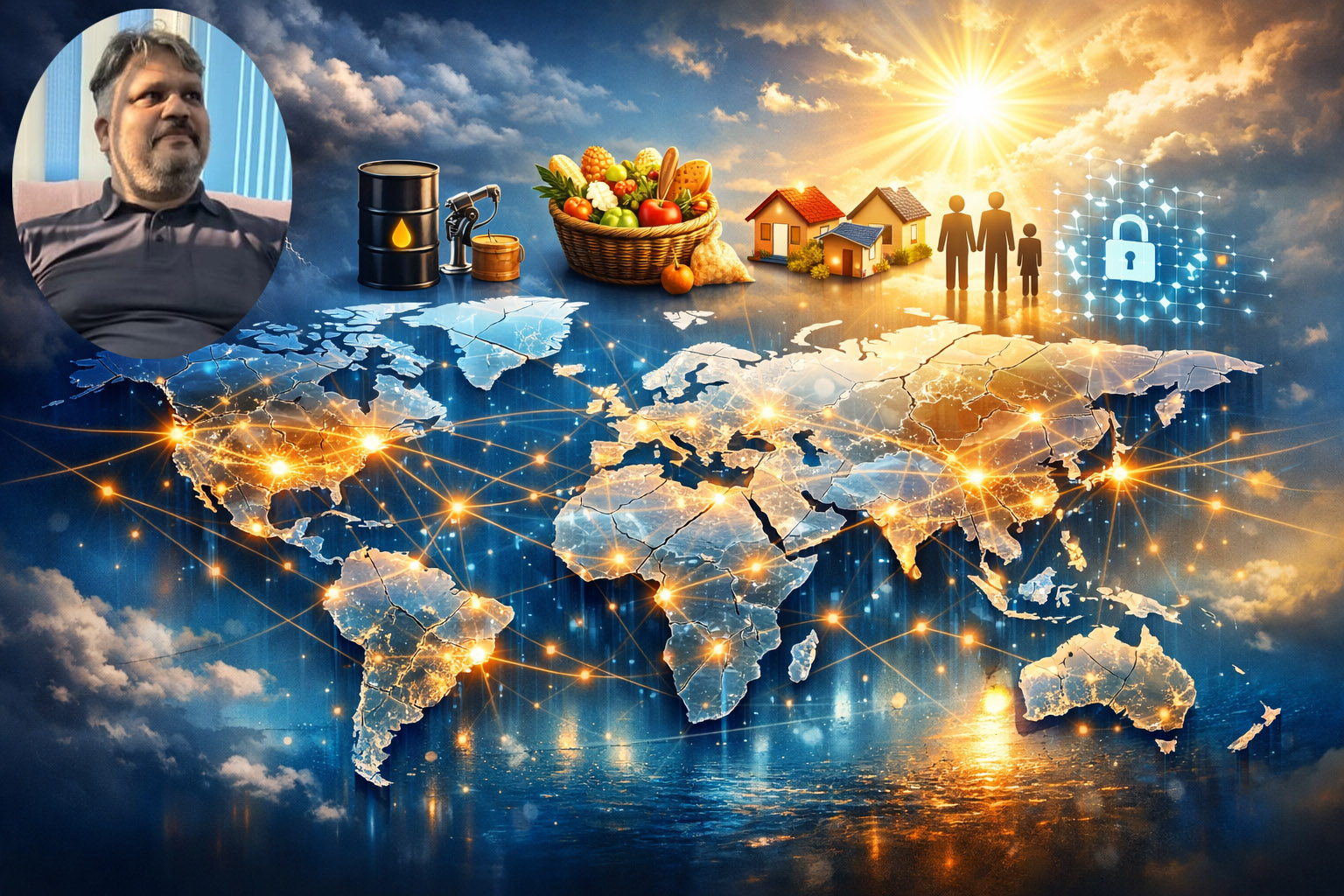
The greatest feature of the modern era is interdependence. The economy of one country is linked to another, the political instability of one region can shake the markets of another region. War is not fought only with bullets and missiles, today it is also fought through trade sanctions, energy supplies, digital attacks and diplomatic pressure. The result of all these ultimately affects the lives of ordinary people.
Wherever there is conflict globally, its first impact is on the economy. Fuel prices rise due to disruptions in oil and gas supplies. As fuel prices rise, the cost of transportation, agriculture, industry and ultimately every essential commodity increases. For an average family, it is no longer just international news; it becomes a question of the monthly budget.
Food security is also seriously affected by international conflicts. Many countries depend on other countries for food, feed and agricultural inputs. When this supply chain is disrupted due to war or political conflict, the risk of hunger increases. Its impact is even more dire in developing countries, where poverty and inequality already exist.
At the same time, the human side of international conflicts cannot be ignored. Wars and violence force people to flee their homes. Refugee movements are not limited to bordering countries, they reach far and wide. This puts pressure on local resources, increases social tensions and sometimes even creates political polarization.
Another form of conflict has emerged in the digital age—cyberwar. Banking systems, power grids, health services and government data are now the targets of attacks. These attacks are no longer the problem of any one country, because digital networks do not respect borders. A cyberattack can shake the personal information, economic security and trust of people sitting far away.
Many countries still try to believe that with stability or domestically focused policies they can avoid international conflicts. But the reality is that such thinking has now become impractical. The world is so interconnected that no country can remain completely isolated. In this situation, the responsibility of governments and international institutions increases even more. The idea of resolving conflicts only through force has repeatedly damaged the world. Cooperation, dialogue and shared responsibility are the only path that can provide long-term stability. Even at the local level, governments must formulate policies that can protect people from international shocks—be it food security, alternative energy sources or social safety nets.
The role of ordinary citizens is also important in this. Only informed and sensitive citizens can motivate governments towards responsible policies. It is no longer possible to ignore international conflicts as just distant news. They have become a part of our daily lives. In today’s world, it is clear that no country is a completely safe fortress. Borders may be lines, but crises spread like the wind. Therefore, the choice is clear—either we face international challenges together, or we are prepared to bear their losses separately.
-Davinder Kumar