Shimla (Jagmeet Ghuman):- “As people age, the risk of bone weakness and osteoporosis may increase. This condition not only weakens bones but can also increase the likelihood of fractures, affecting a person’s mobility and independence. Fractures, particularly in the hip, spine and wrist, can interfere with daily activities. According to experts, identifying risk factors in time, maintaining proper nutrition and engaging in regular physical activity are important steps towards improving bone health.”
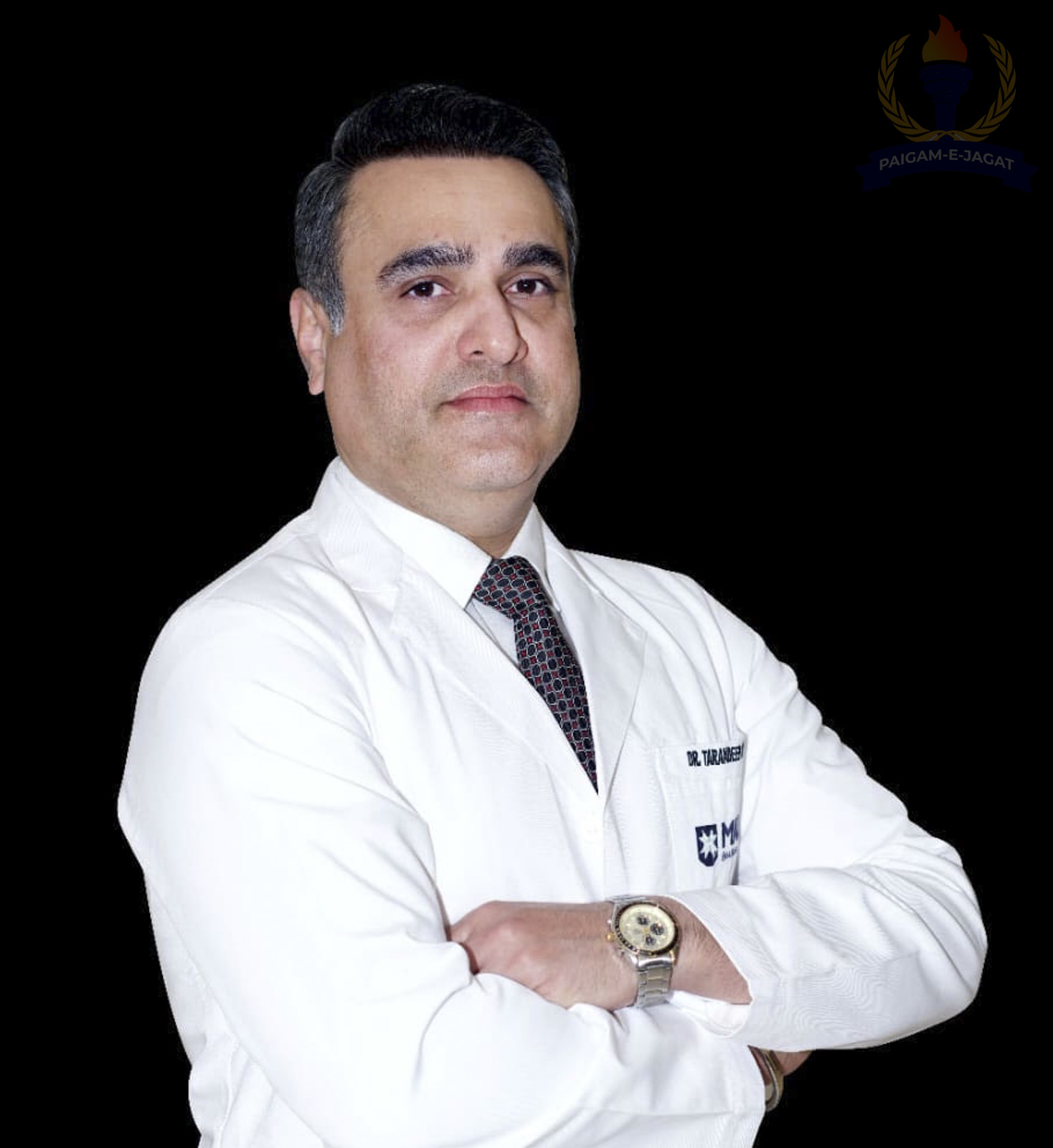
Dr. Tarandeep Singh Gill, Director of Orthopaedics and Joint Replacement at Max Hospital, Mohali, explained that osteoporosis is a condition in which bone density decreases and the internal structure of bones weakens, increasing the risk of fractures even after minor injuries.
Dr. Gill said that advancing age is a major risk factor for osteoporosis. The risk may increase particularly among women after menopause. However, the condition is not limited to women, as men can also be affected. Therefore, it is essential to remain aware of bone health regardless of age or gender.
He explained that other factors that increase the risk of osteoporosis include a previous fracture following a minor injury, a family history of osteoporosis or hip fracture, low body weight, lack of physical activity, inadequate intake of calcium and vitamin D, smoking and excessive alcohol consumption. People with these risk factors may benefit from timely medical advice and necessary investigations.
Discussing ways to maintain better bone health, Dr. Gill said that proper nutrition, regular physical activity, a healthy lifestyle and overall well-being play an important role in maintaining bone strength. He advised people to consume adequate amounts of calcium and vitamin D as recommended by a healthcare professional. He also recommended including weight-bearing exercises and muscle-strengthening activities in their daily routines.
He further said that maintaining a healthy weight and taking necessary precautions to prevent falls can help reduce the risk of fractures associated with osteoporosis. Older adults, in particular, should focus on maintaining balance, ensuring a safe environment and taking measures to reduce the likelihood of falls.
Dr. Gill emphasised that osteoporosis should not be ignored or considered an inevitable part of ageing. Bone health is important at every stage of life, and taking appropriate steps in time is essential to protect it. People who have risk factors associated with the condition or have previously suffered a fracture following a minor injury should be particularly cautious.
He said that timely medical evaluation and necessary tests can help identify an increased risk of osteoporosis. This enables individuals to receive appropriate advice, make lifestyle changes and take steps towards necessary treatment according to their needs. Awareness, regular care and timely medical consultation can help maintain bone strength and reduce the risk of fractures.