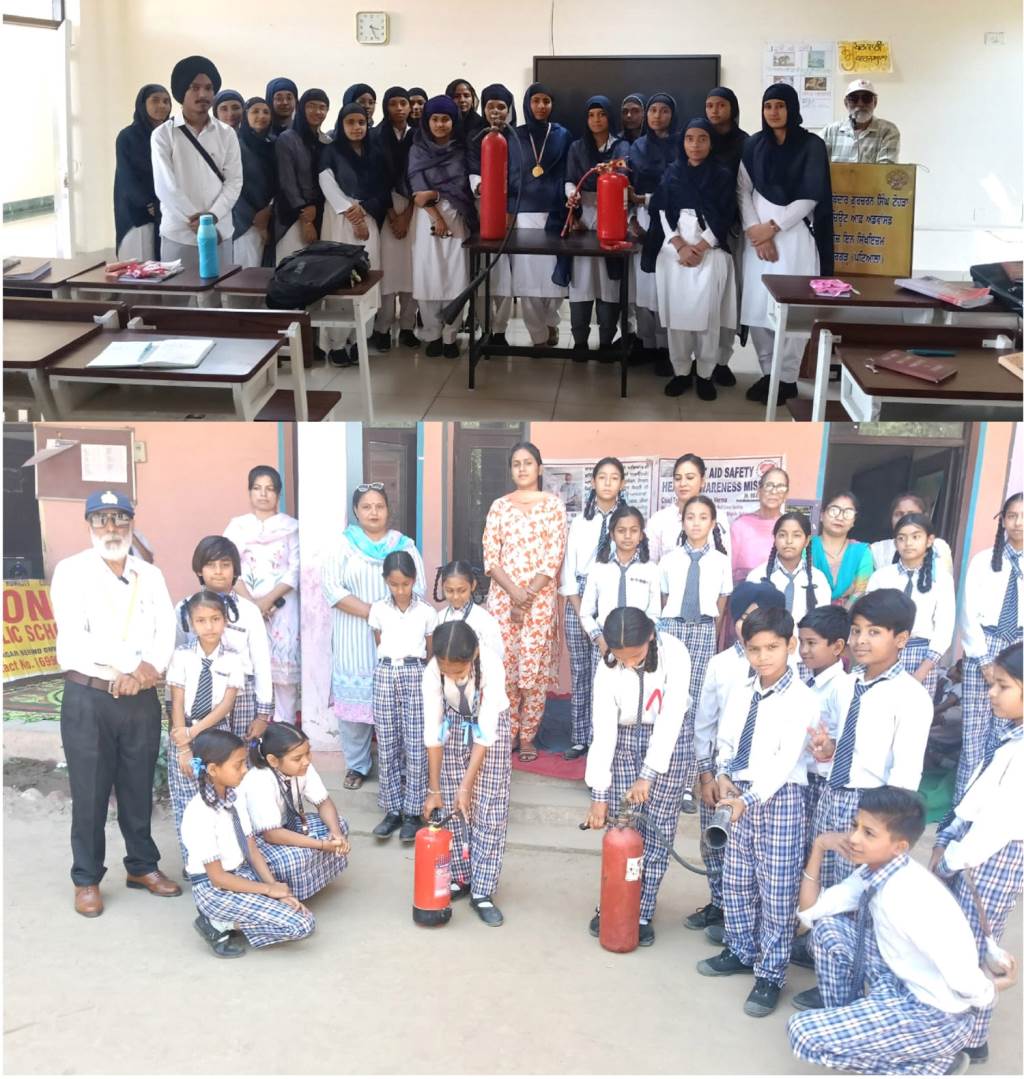
Have we stopped thinking about safety

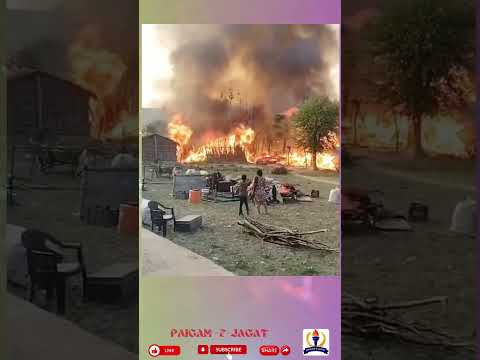
Patiala, 23rd June:- The Lucknow incident has shaken us once again. After every major tragedy, there is a brief period of discussion and expression of condolences; attempts are made to fix accountability, and then we all return to our daily routines. Yet, perhaps the most critical question remains: why do we fail to learn from these accidents?
The problem is not limited to a single accident, city, or system; it lies in our collective mindset. It seems that safety has ceased to be a priority for us and has instead become a mere formality.
Look at our roads. For many, speeding remains a symbol of bravado and skill. Adhering to traffic rules is viewed not as a sign of prudence, but as a sign of weakness. Handing over bikes and scooters to minors is commonplace. Helmets and seatbelts are seen not as safety gear, but merely as tools to avoid traffic fines. Some people risk their lives performing stunts or chasing the thrill of speed, only for a single minor error to alter an entire family's life forever.
This same mindset is evident in our homes, markets, and public spaces. When building homes, very little attention is paid to fire safety, emergency exits, electrical safety, or structural integrity. Most people operate under the assumption that accidents happen to others, not to them. Spending on safety measures often seems unnecessary until a tragedy actually strikes.
The situation regarding food safety is no different. Questions are constantly raised about the quality of food sold on streets and in markets; issues like adulteration, unhygienic conditions, and the use of substandard ingredients are no secret. Yet, as consumers, we often prioritize cheap and flavorful options. Sellers know that customers look for taste and price rather than quality, while customers believe that eating something once won't make a difference. Amidst this mindset, health and safety get lost. We chase after taste, often forgetting that the very same cheap option might be slowly poisoning our bodies.
The most concerning aspect is that we are not prepared for emergencies. Despite years of schooling, most people do not know what to do during a fire, where to stand during an earthquake, how to assist an injured person after a road accident, or how to perform CPR during a heart attack.
We study mathematics, science, and history, yet fail to learn basic life-saving skills. In most offices, residential complexes, schools, and public spaces, disaster management exists only on paper. Practices like fire drills, emergency evacuations, and first-aid training remain the exception rather than the norm.
In many countries around the world, emergency preparedness is an integral part of civic culture; people know how to respond during a crisis. Here, the situation is often the opposite: chaos, crowds, mobile cameras, and a long wait for help to arrive after an incident occurs.
The reality is that safety does not begin after an accident; it starts beforehand—through sound decisions, a little extra investment, adherence to rules, and a culture that understands risks.
Unfortunately, we have turned "Jugaad" (makeshift fixes) into a substitute for proper systems and adopted "chalta hai" (anything goes) as a guiding principle of life. We view safe options as expensive and unsafe ones as practical. We choose cheap alternatives over high-quality safety equipment and rely on unregulated services rather than authorized institutions, all while hoping that everything will turn out fine.
A developed and responsible society is defined not merely by its skyscrapers, wide roads, or economic progress, but by how seriously it takes the safety of its citizens.
The time has come to ask ourselves: do we truly wish to build a safe India, or have we become accustomed to expressing grief for a few days after a major tragedy only to forget it soon after?
Because accidents do not just happen out of the blue. They are the ultimate consequence of our minor acts of negligence, misplaced priorities, and indifference towards safety.
The truth is bitter, yet it must be acknowledged: we have focused heavily on development, convenience, and cost-cutting, but have all but stopped thinking about safety. And when a major accident occurs, the price paid is not merely in monetary terms, but in human lives.