
Haryana ranks second in the country in TB Mukt Bharat App Registration

Chandigarh, July 24:- Haryana has achieved significant success in the campaign against TB and has secured second position in the country with 35,229 registrations on the TB Mukt Bharat App. Along with this, the coverage of TB Preventive Treatment (TPT) in the state has increased to 49 percent, the coverage of NAAT based molecular testing has reached 67 percent and the coverage of differentiated TB care for eligible patients has reached 71 percent.
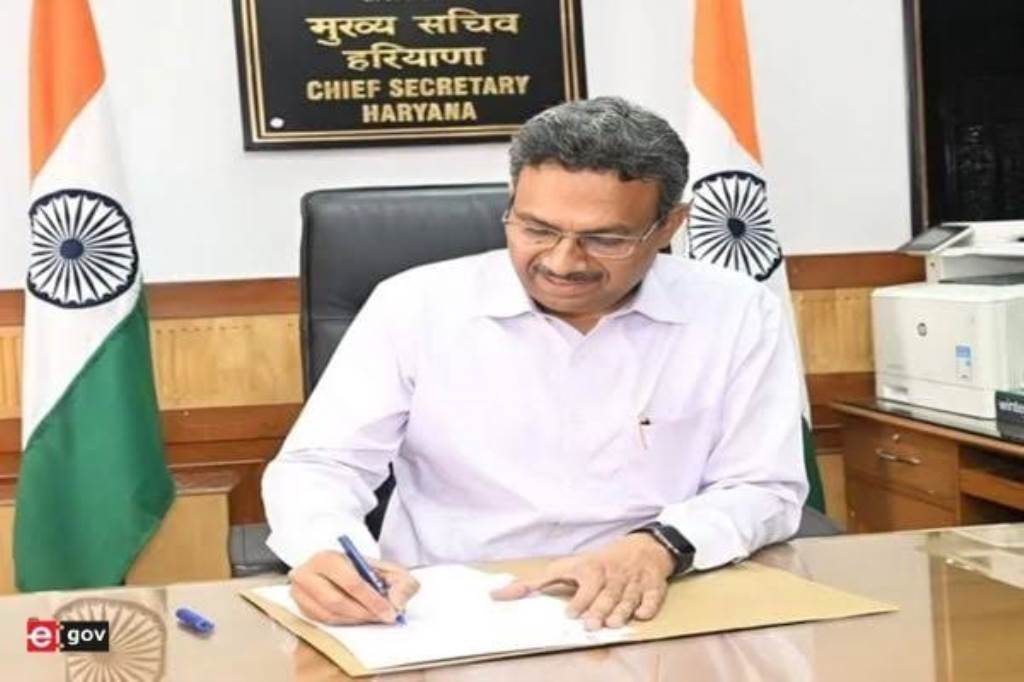
These achievements were informed in the meeting of the 100-day TB Eradication Campaign held here today under the chairmanship of Chief Secretary Shri Anurag Rastogi.
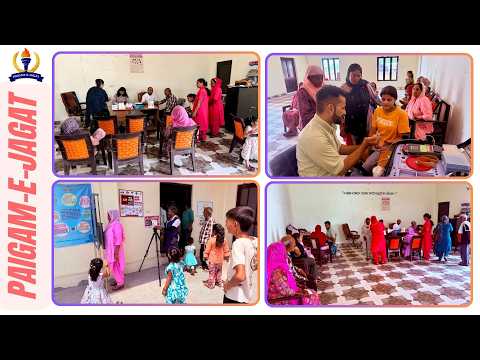
In the meeting, officials said that since the campaign started on March 24, 2026, Haryana has registered continuous progress on almost all the major parameters of TB control. The state has not only secured the second position in the country in terms of registration on the TB Mukt Bharat app, but has also strengthened public participation by involving 22,888 volunteers and 2,067 Nikshya Mitras in the campaign. Out of 51,526 TB patients registered between January 1 and July 23, 2026, 8,939 patients have registered on the TB Mukt Bharat app, making their treatment and monitoring more effective. The review revealed that the state has also made significant progress in the area of ??TB Preventive Treatment (TPT). Out of 44,574 eligible family contacts of drug-susceptible pulmonary TB patients, 21,697 persons (49 per cent) have been provided preventive treatment, while at the beginning of the campaign, this coverage was only 31 per cent. 14 districts of the state have achieved more than 50 per cent coverage in this regard. To improve the performance in districts lagging behind the national average, the Health Department has launched a 60-day special campaign, in which ASHA workers, Community Health Officers and TB Health Visitors are conducting training, monitoring and door-to-door contact campaigns. Officials said that significant progress has also been made in the field of active case finding and early detection. So far, 5,31,178 susceptible persons have been screened through 4,711 screening camps. Out of these, 2,814 camps were set up in high-risk villages and urban wards. During this, 2,57,081 chest X-rays were performed. To further strengthen the screening capacity, the Central Government has allotted 200 handheld X-ray machines to Haryana. Out of these, 36 machines have been installed, while the remaining 164 machines will be installed soon.
The testing capacity of the state has also improved significantly. So far, 1.50 lakh NAAT tests have been conducted during the campaign, increasing the molecular testing coverage from 42 per cent to 67 per cent. Along with this, 22,571 patients (71 per cent) out of 31,849 eligible TB patients have been brought under the ambit of differentiated TB care. On this basis, 20 districts have achieved more than 50 per cent coverage and no district is now in the red category. The department aims to ensure 100 per cent initial NAAT testing for all eligible patients by August 2026.
The meeting also reviewed the Nikshya Poshan Yojana and Nikshya Mitra initiative. Officials said that under the 2025 component of the Nutrition Assistance Scheme, 55,348 beneficiaries have been provided assistance through Direct Benefit Transfer (DBT), while under the 2026 component, 9,000 beneficiaries have been benefited so far. Apart from this, nutrition kits have been provided to 23,962 consenting TB patients through the Nikshya Mitra initiative. The state government is also coordinating with Panchayati Raj Institutions, Urban Local Governments and Public Sector Undertakings to expand the scope of nutrition assistance for TB patients. The meeting also reviewed the action plan for the next phase of the campaign. Under this, emphasis was laid on continuous training of field staff, better utilization of X-ray facilities, installation of remaining handheld X-ray machines, expansion of coverage of TB preventive treatment and special monitoring of low performing districts.