

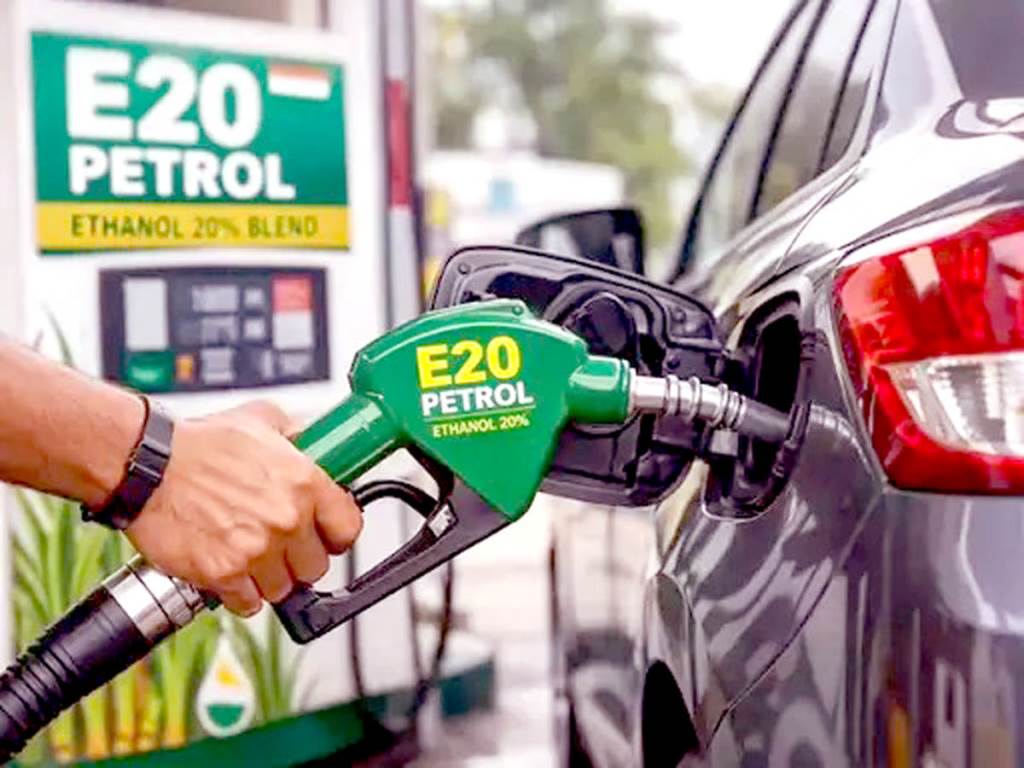
E20 Petrol Does Not Damage Vehicles Thoroughly Tested Before Rollout Government

New Delhi: Amid concerns over ethanol-blended fuel, the Government of India on Saturday clarified that the ethanol blending programme was not introduced overnight. It said the initiative is based on a scientific, phased, and well-tested process that does not cause any damage to vehicles. The government added that ethanol blending with petrol is a globally accepted practice and has undergone extensive testing by leading agencies before being introduced in India.
Speaking at a press conference on ethanol blending with industry experts in New Delhi, government representative and expert Vartika Shukla said that in 2013–14, only 1.5% ethanol was blended with petrol in the country. Under the programme, the ethanol blending level has now been increased to 20%, and the target of achieving E-20 fuel was accomplished by December 2025—five years ahead of the original schedule.
However, the government informed the Supreme Court four days ago that the E-20 petrol programme is still under evaluation and that its full impact is expected to be assessed by next year.
Why is E-20 Petrol Facing Opposition in India?
E-20 petrol, which contains 20% ethanol and 80% petrol, has faced opposition from some vehicle owners, particularly those using petrol-powered vehicles manufactured before 2023.
Critics claim that the fuel may reduce mileage, increase maintenance costs, and cause premature wear of engine components.
The government, however, maintains that while ethanol blending may lead to a marginal reduction in fuel efficiency, it improves vehicle pickup and overall engine performance. It also states that E-20 petrol has been thoroughly tested and is considered safe for use, while offering environmental benefits and helping reduce India's dependence on imported crude oil.