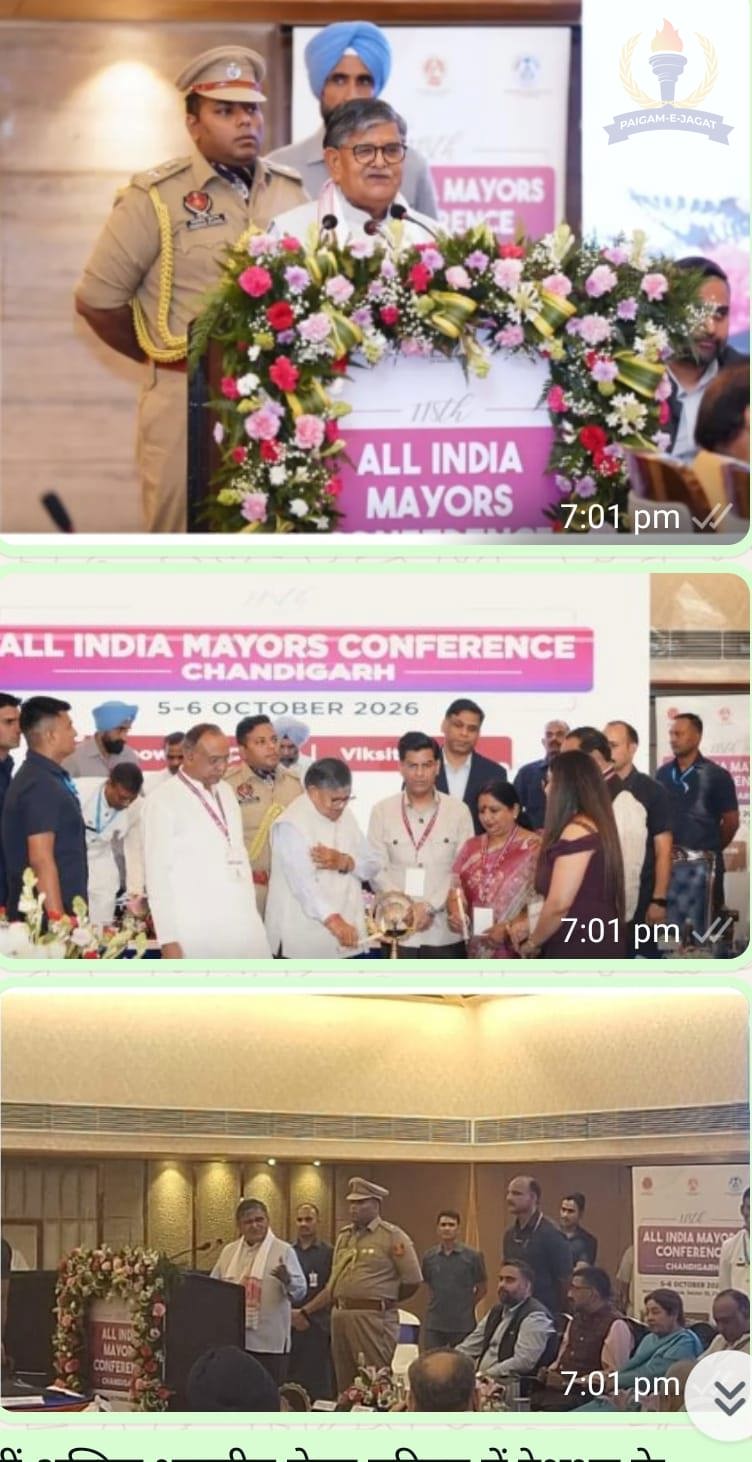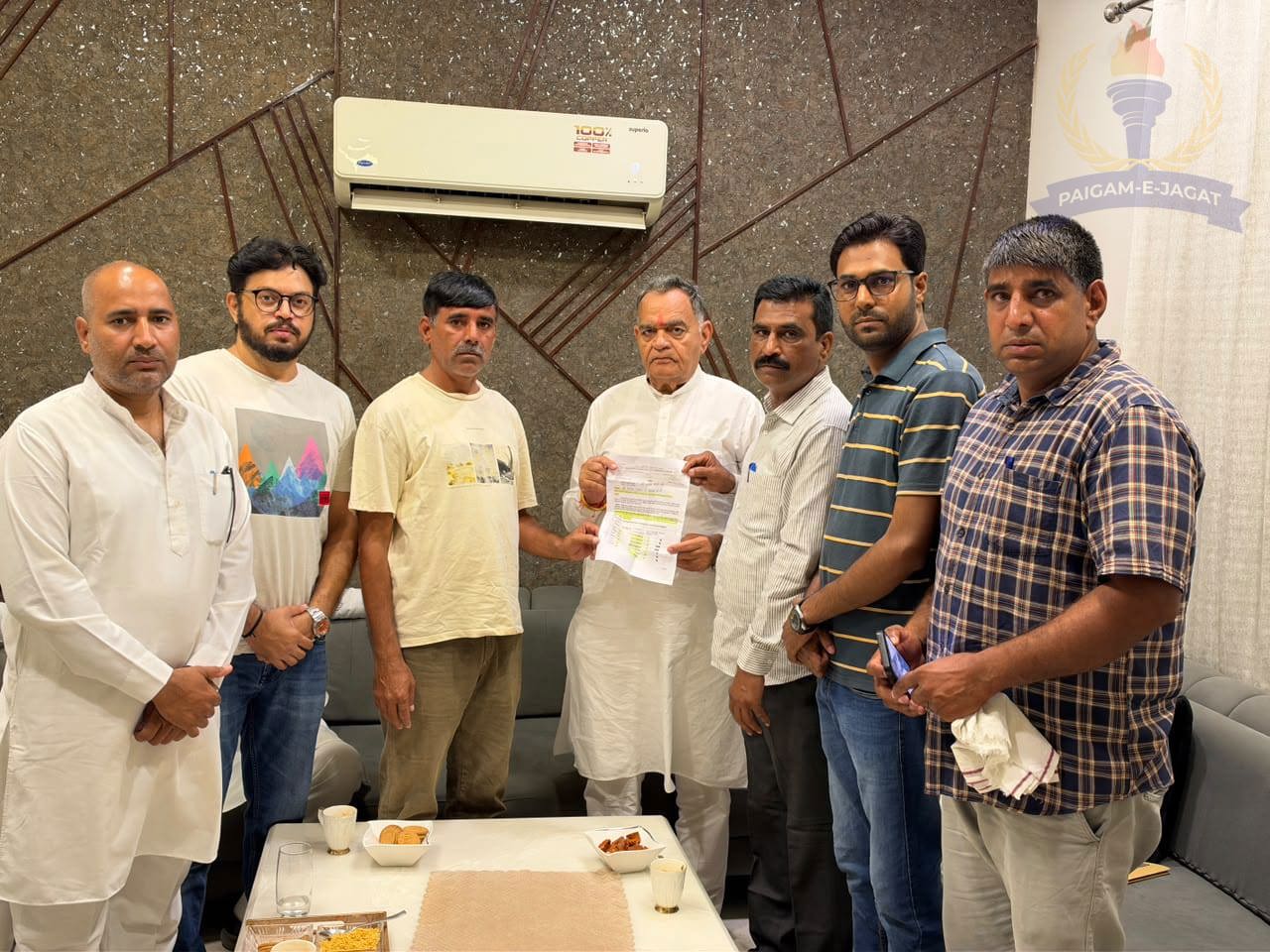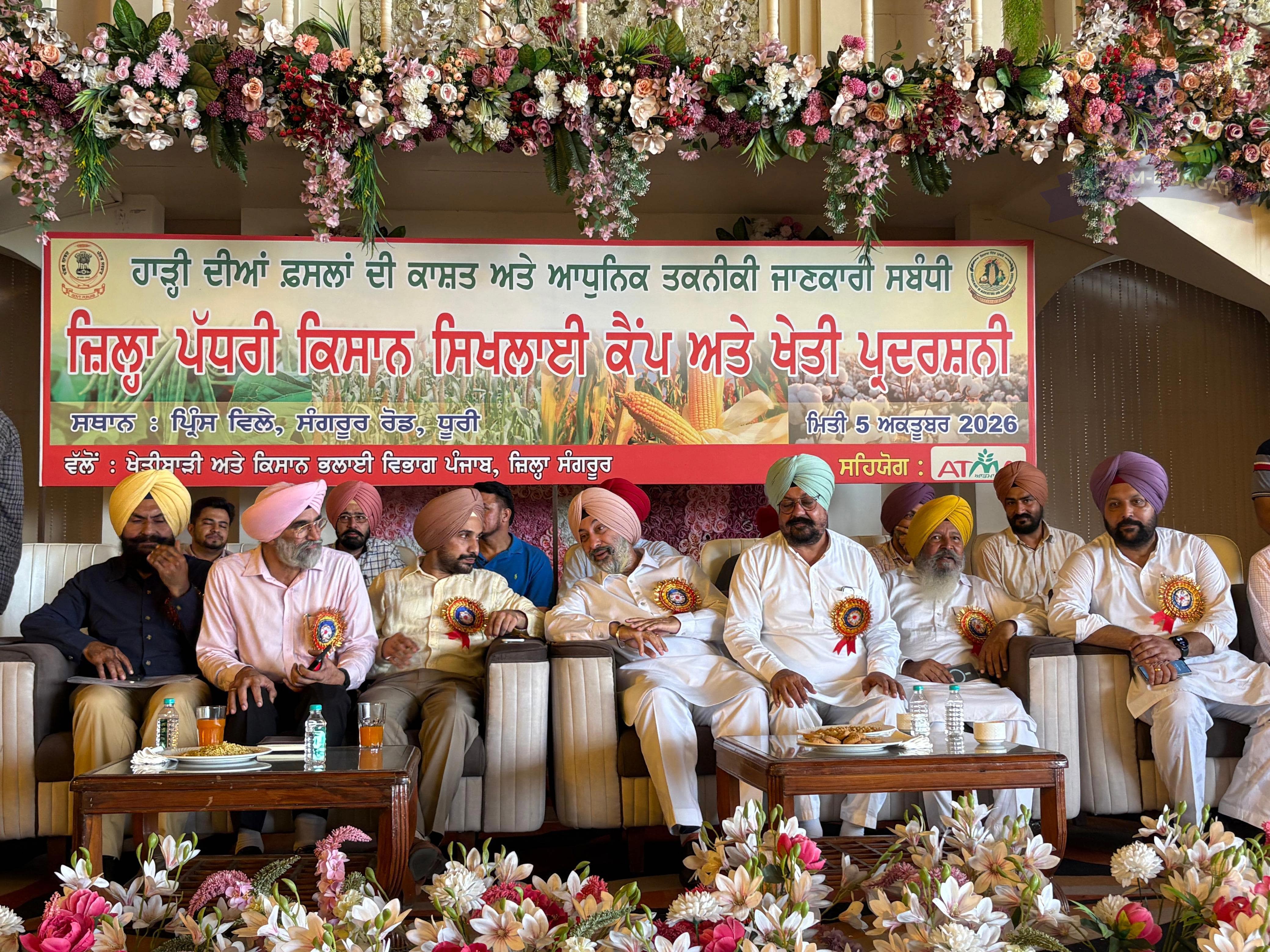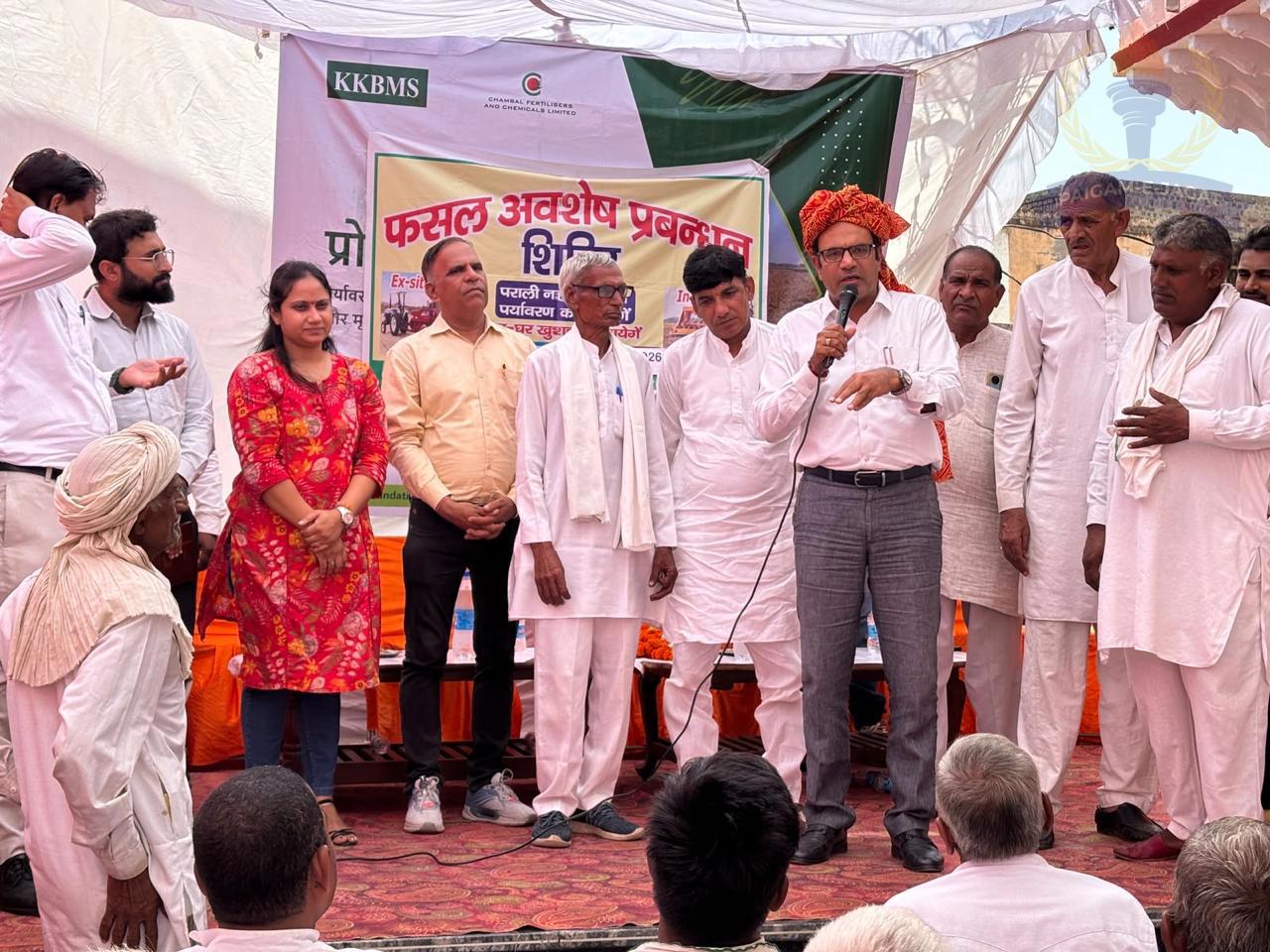
Hansi, October 5 (Dinkar Gawri):- With the objective of promoting crop residue management and sensitising farmers about the environmental and agricultural damage caused by stubble burning, the Department of Agriculture and Farmers Welfare organised an awareness camp in Jamawari village on Monday. SDM Rajesh Koth, who attended the camp as the chief guest, provided farmers detailed information about various techniques of in-situ and ex-situ management of crop residues and urged them to manage crop residue scientifically instead of burning it.
Officials interacted with farmers and shared information about various crop residue management techniques, agricultural machinery and their effective use.
SDM Rajesh Koth urged farmers not to burn crop residues under any circumstances and to properly manage stubble by using available scientific techniques. He said burning crop residue releases smoke and harmful gases into the atmosphere, increasing air pollution and adversely affecting human health. Besides, burning stubble in fields also affects beneficial microorganisms and nutrients present in the soil.
Information Provided on In-Situ Management Techniques
During the camp, agricultural experts explained in detail the in-situ management of crop residues. Farmers were informed that crop residues can be cut, finely chopped and incorporated into the soil within the field itself with the help of appropriate agricultural machinery. This increases the organic matter content of the soil and helps improve its fertility and structure.
Farmers were given information about the proper and effective use of Happy Seeder, Super Seeder, Straw Management System, Mulcher, Rotavator and other agricultural machinery. Experts said that through these techniques, farmers can use stubble in the field itself instead of burning it and can also sow the next crop on time.
Useful Disposal of Stubble through Ex-Situ Management
The SDM also sensitised farmers about ex-situ crop residue management. Farmers were informed that crop residues can be taken out of the fields, properly collected and used for various productive activities. This eliminates the need to burn stubble and allows crop residues to be utilised as a useful resource.
Dr Y.K. Saxena, SDAO Dr Ravindra, Subject Matter Specialist Dr Preeti Verma, AAE Gopi Ram, Subject Matter Specialist Dr Robin and BAO Dr Rupesh, along with officials of the Agriculture Department, informed farmers that scientific management of crop residues helps control air pollution while also maintaining soil fertility, biological quality and water-holding capacity. Farmers were encouraged to make maximum use of crop residue management technologies and agricultural machinery being provided by the department and the government.
Appeal to Farmers Not to Burn Stubble
The Department of Agriculture and Farmers Welfare appealed to farmers not to burn stubble, adopt scientific and proper crop residue management practices and play an important role in protecting the environment. Officials said better management of crop residues is not only a means of preventing pollution but is also an important step towards maintaining healthy soil and reducing the cost of cultivation.
Representatives of the concerned organisation also provided active cooperation in organising the awareness camp. The organisation’s representatives assisted the Agriculture Department in providing technical information related to crop residue management to farmers and making the camp successful.
Officials of the Agriculture Department urged farmers to cooperate through collective efforts in ending the practice of stubble burning and ensure their participation in building a clean environment, healthy soil and a sustainable agricultural system.