Patiala (Kaka Ram Verma):- The purpose of mock drills is to ensure preparedness for future disasters and to equip people with the knowledge and skills needed to save lives during emergencies. Several powerful as well as developing countries have accumulated stockpiles of chemical and nuclear weapons, atomic bombs, missiles and drones. These destructive weapons could be used at any time. Chemical and radioactive substances are also being used in homes, buildings, hospitals, factories and vehicles in various forms. Everyday accidents are claiming thousands of lives and causing extensive damage to property.
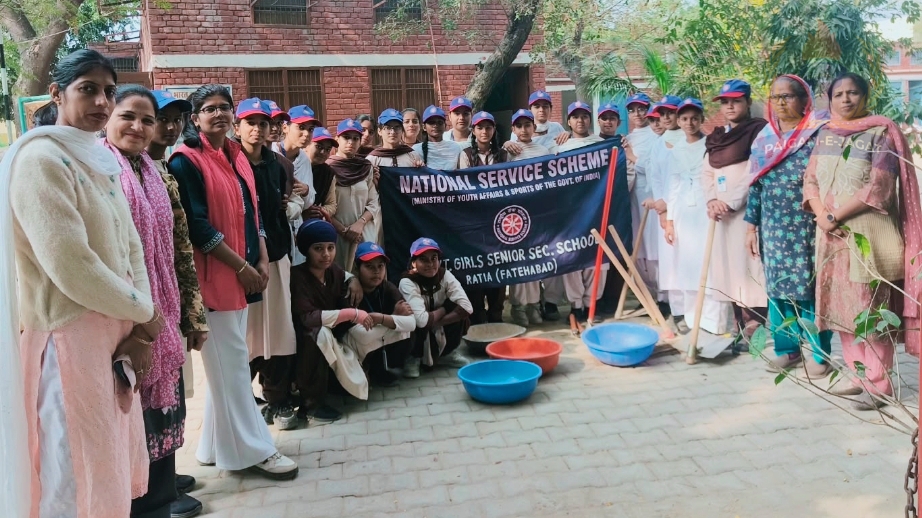
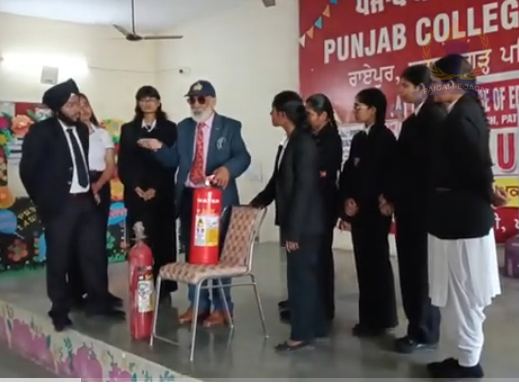
To prevent loss of life and property and to rescue people affected by disasters, many countries are regularly organising disaster management, civil defence, first aid, CPR, injured-person care, fire safety and safe gas-cylinder handling training programmes, exercises and mock drills for students, teachers, police personnel, factory workers, NSS volunteers, NCC cadets, Scouts and Guides, and Red Cross workers.
Recognising the value of every human life, Shri Kaka Ram Verma, retired Training Supervisor of the Red Cross Society and Chief Trainer of the Disaster Management, First Aid, Safety and Health Awareness Mission, is providing training to students and employees at educational institutions, factories and nursing colleges.
Kaka Ram Verma said that, compared with diseases, a much larger number of deaths across the world are caused by disasters, wars, chemical and nuclear incidents, explosions and accidents occurring in homes, factories, hospitals and vehicles. He expressed concern that despite witnessing the suffering of thousands of people who lose their lives in daily accidents, students, young people and employees are still not being given adequate training and practical exercises in disaster management, civil defence, first aid and fire safety. He pointed out that buildings and vehicles contain numerous potential sources of danger, including cylinders, gases, electricity and petroleum products, which can cause disasters and loss of life.
He further said that mock drills should not merely be treated as dance performances, singing or other rehearsals organised to entertain guests and colleagues for a short time. Instead, they must be serious, practical exercises that prepare people to respond effectively to emergencies and protect human lives.