
ठंडी सर्दियों में सुरक्षा: स्वास्थ्य, सावधानी और साझी सामाजिक ज़िम्मेदारी

सर्दियों का मौसम हर साल अपने साथ ठंडी हवा, कोहरा और तापमान में तेज़ गिरावट लाता है। यह मौसम कई लोगों के लिए सुहावना होता है, लेकिन लापरवाही और तैयारी की कमी के कारण यह कई बार गंभीर स्वास्थ्य और सुरक्षा संबंधी समस्याओं का कारण भी बन जाता है। सर्दियों को सिर्फ़ गर्म कपड़े पहनने तक सीमित समझना एक बड़ी भूल है। असल में यह मौसम हमारे जीवन-ढंग, स्वास्थ्य, सामाजिक आदतों और प्रशासकीय तैयारियों की परीक्षा लेता है। इसलिए ठंडी सर्दियों में सुरक्षित रहना केवल व्यक्तिगत सावधानी नहीं, बल्कि पूरे समाज की साझी ज़िम्मेदारी है।
सर्दियों का मौसम हर साल अपने साथ ठंडी हवा, कोहरा और तापमान में तेज़ गिरावट लाता है। यह मौसम कई लोगों के लिए सुहावना होता है, लेकिन लापरवाही और तैयारी की कमी के कारण यह कई बार गंभीर स्वास्थ्य और सुरक्षा संबंधी समस्याओं का कारण भी बन जाता है। सर्दियों को सिर्फ़ गर्म कपड़े पहनने तक सीमित समझना एक बड़ी भूल है। असल में यह मौसम हमारे जीवन-ढंग, स्वास्थ्य, सामाजिक आदतों और प्रशासकीय तैयारियों की परीक्षा लेता है। इसलिए ठंडी सर्दियों में सुरक्षित रहना केवल व्यक्तिगत सावधानी नहीं, बल्कि पूरे समाज की साझी ज़िम्मेदारी है।
सर्दियों में सबसे बड़ा ख़तरा ठंड से शारीरिक नुकसान का होता है। लंबे समय तक ठंडी हवा में रहने से शरीर का तापमान घट जाता है, जिससे ज़ुकाम, खांसी, बुखार, सांस की बीमारियां और कई बार हाइपोथर्मिया जैसे गंभीर हालात पैदा हो सकते हैं। ख़ास तौर पर बच्चे और बुज़ुर्ग इस मौसम में ज़्यादा प्रभावित होते हैं। इससे बचाव के लिए कपड़ों की सही चयन बहुत ज़रूरी है। एक मोटा कपड़ा पहनने की बजाय कई परतों वाले कपड़े पहनने चाहिए, ताकि शरीर की गर्मी अंदर ही बनी रहे। सिर, कान, गर्दन, हाथ और पैर पूरी तरह ढक कर रखने से ठंड का असर काफी हद तक कम किया जा सकता है।
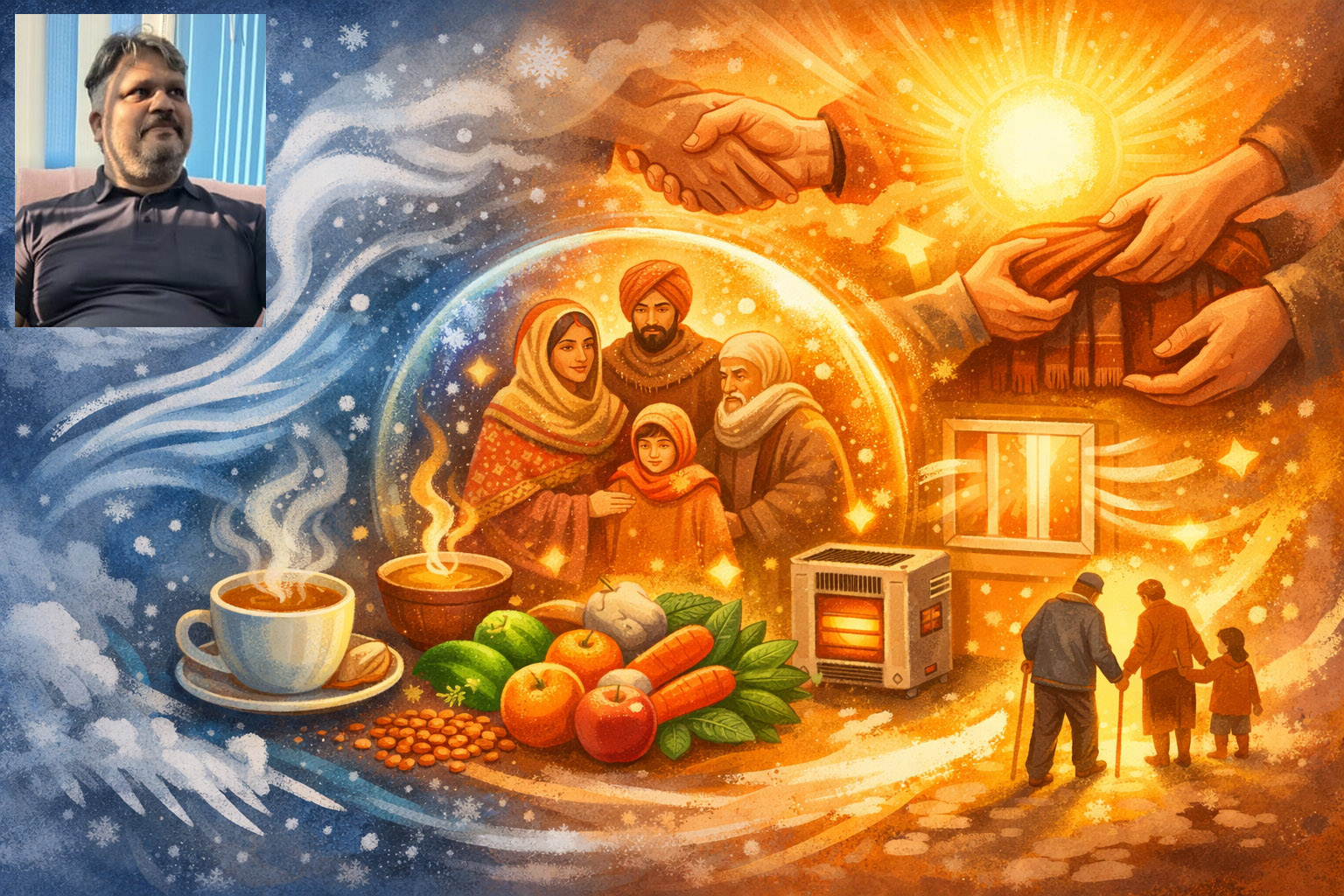
स्वस्थ रहने के लिए आहार की भूमिका भी सर्दियों में और बढ़ जाती है। गर्म, पौष्टिक और संतुलित आहार शरीर को ताकत देता है और रोगों से लड़ने की क्षमता बढ़ाता है। दालें, सब्ज़ियां, मौसमी फल, गर्म दूध, सूप और घरेलू पेय शरीर के लिए लाभदायक होते हैं। बहुत से लोग सर्दियों में प्यास कम लगने के कारण पानी कम पीते हैं, जो स्वास्थ्य के लिए ठीक नहीं। पानी की पूरी मात्रा लेना—चाहे गर्म हो या साधारण—शारीरिक प्रक्रियाओं के लिए बहुत ज़रूरी है।
ठंडे मौसम में सांस संबंधी बीमारियां बढ़ने का एक बड़ा कारण घरों और दफ़्तरों में बंद माहौल भी होता है। ठंड से बचने के लिए खिड़कियां और दरवाज़े बंद रखे जाते हैं, जिससे हवा की आवाजाही कम हो जाती है। यह हालत वायरस और बैक्टीरिया के फैलाव के लिए अनुकूल बन जाती है। इसलिए घरों में समय-समय पर हवा की आवाजाही बनाए रखनी चाहिए। खांसी या छींक के दौरान मुंह ढकना और सफ़ाई की आदत अपनाना भी बहुत ज़रूरी है।
सर्दियों में हीटिंग के साधनों की उपयोग आम बात है, लेकिन ये साधन गलत तरीके से इस्तेमाल किए जाएं तो ख़तरनाक साबित हो सकते हैं। अंगीठी, कोयला या गैस वाले हीटर बंद कमरों में इस्तेमाल करने से ज़हरीली गैसें पैदा हो सकती हैं, जो जान के लिए ख़तरा बन सकती हैं। इसलिए हीटिंग उपकरणों की सही देखभाल, नियमित जांच और कमरों में हवा की निकासी बहुत लाज़मी है। अक्सर देखा गया है कि थोड़ी सी लापरवाही बड़े हादसों का कारण बन जाती है।
सड़क सुरक्षा भी सर्दियों में एक बड़ी चुनौती बन जाती है। कोहरे के कारण हादसों की संभावना काफी बढ़ जाती है। वाहन चलाते समय धीमी गति, फॉग लाइटों का सही उपयोग और सड़क नियमों की पालना बहुत ज़रूरी है। पैदल यात्रियों और साइकिल सवारों को भी चमकदार कपड़े पहनने चाहिए, ताकि वे दूर से नज़र आ सकें।
सर्दियों का असर सिर्फ़ शारीरिक स्वास्थ्य तक सीमित नहीं रहता, बल्कि मानसिक स्वास्थ्य पर भी पड़ता है। कम धूप, छोटे दिन और अकेलापन कई लोगों में उदासी और चिंता बढ़ा सकते हैं। ख़ास तौर पर बुज़ुर्ग और अकेले रहने वाले लोग इस दौरान सहायता के लिए निर्भर होते हैं। पारिवारिक मिलाप, पड़ोसियों से बातचीत और सामाजिक गतिविधियां मानसिक तंदरुस्ती के लिए बहुत ज़रूरी हैं।
सामाजिक स्तर पर देखा जाए तो सर्दियां असमानता को भी उजागर करती हैं। जहां कुछ लोग गर्म घरों में आराम से रहते हैं, वहीं कई लोगों के पास ठंड से बचने के लिए बुनियादी साधन भी नहीं होते। बेघर लोग, मज़दूर वर्ग और गरीब परिवार सर्दियों में सबसे ज़्यादा ख़तरे में रहते हैं। उनके लिए आश्रय, गर्म कपड़े और स्वास्थ्य सेवाएं मुहैया करवाना सरकार, संस्थाओं और समाज की साझी ज़िम्मेदारी है।
यह कहना उचित होगा कि ठंडी सर्दियों में सुरक्षित रहना सिर्फ़ अपनी परवाह करने का मामला नहीं, बल्कि एक-दूसरे के लिए ज़िम्मेदार बनने की ज़रूरत है। जब व्यक्तिगत सावधानी, सामाजिक सहयोग और प्रशासकीय तैयारी एक साथ होते हैं, तभी सर्दियों को सुरक्षित और सुखद बनाया जा सकता है।
—दविंदर कुमार