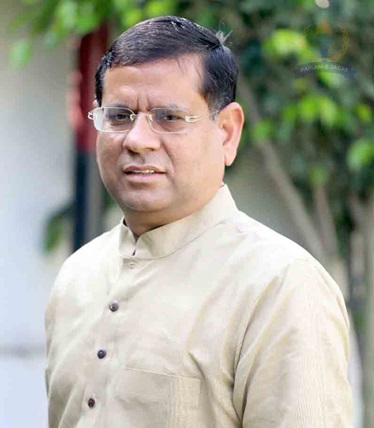
Chandigarh, 14 October:- Haryana Food, Civil Supplies and Consumer Affairs Minister Rajesh Nagar said that standards play a vital role in ensuring product safety, consumer protection, industrial competitiveness and sustainable development. He said standards should be made an effective means of promoting quality, safety, sustainability and inclusive growth. This would also help achieve broader Sustainable Development Goals (SDGs), including SDG 7 — Affordable and Clean Energy. He called for making quality a shared responsibility and standards a common pathway towards building a more sustainable Haryana and a better India.
He was addressing the gathering today at the ‘World Standards Day 2026’ समारोह organised by the Bureau of Indian Standards (BIS), Northern Regional Office, Chandigarh.
This year’s World Standards Day theme is “A Shared Vision for a Better World — Focusing on Sustainable Development Goal 7: Affordable and Clean Energy.” Mr Nagar said the theme highlights the importance of accessible, reliable and sustainable energy for economic growth and improving living standards. Affordable and clean energy is not limited to environmental protection; it is also essential for agriculture, food security, industrial development and public services. He said that although standards may appear to be technical documents, their impact is clearly visible in the daily lives of every citizen. From the quality of food products and essential commodities to the safety of electrical appliances and the accuracy of weighing and measuring instruments, standards are important in every sector.
He said India was progressing rapidly in renewable energy, energy efficiency, electric mobility, energy storage and green hydrogen. Developments in these sectors were creating new opportunities for citizens and industries. However, it was equally important to ensure that products associated with these technologies were safe, reliable, energy-efficient and suitable for their intended use. He said standards provided a strong technical foundation for a safe and sustainable transition towards clean energy.
Highlighting the relevance of standards in Haryana, Mr Nagar said the state’s strong agricultural system, extensive industrial sector, growing micro, small and medium enterprise (MSME) ecosystem and developing urban centres depended on reliable energy and quality infrastructure. He made it clear that efforts to make products affordable must not involve any compromise on their quality, safety or performance.
Highlighting the role of the Bureau of Indian Standards, he said BIS was playing an important role in developing and promoting Indian Standards across various sectors, including solar energy systems, wind energy, energy storage, electric mobility, charging infrastructure, power transmission and energy management. These standards helped promote the adoption of clean-energy technologies while also strengthening the confidence of consumers and industries.
Referring to the responsibilities of the Food, Civil Supplies and Consumer Affairs Department, Mr Nagar said standards were directly linked to consumer welfare. The quality of commodities distributed through the public distribution system, food products and their packaging, storage and warehousing arrangements, and the accuracy of weighing and measuring instruments used in trade directly affected public health, food security and consumer interests. Referring to grain-storage standards, he highlighted the importance of IS 16144:2014, which specifies operational practices for grain-storage warehouses, and IS 609:2020, which provides guidance for improving existing grain-storage structures. He said compliance with prescribed standards helped strengthen grain quality, storage arrangements and consumer protection.
Mr Nagar said standardisation, certification and legal metrology complemented one another and played an important role in ensuring fairness in the marketplace. Every consumer should have confidence that the quality, quantity, safety and performance of the product being purchased complied with prescribed standards. He stressed the importance of the BIS certification system and the Standard Mark in building consumer confidence and said consumer awareness was equally important. Citizens should know what the Standard Mark means, how its authenticity can be verified, and where complaints can be lodged against substandard products or misuse of certification marks.
Appreciating the consumer-awareness and public-outreach initiatives of the BIS Haryana Branch Office, Mr Nagar said that dialogue with consumer organisations and ‘SHINE programmes’ organised in various districts were helping raise awareness about standards, quality assurance and consumer rights. Such initiatives encouraged citizens to make informed purchasing decisions. Referring to coordination between BIS and the Haryana Government, he said the state-level coordination mechanism facilitated cooperation between BIS and state government departments in implementing quality-related requirements. This included the implementation of Quality Control Orders (QCOs) and action against the misuse of the Standard Mark. He also highlighted the important role of state and district consumer commissions, the consumer helpline and awareness programmes in strengthening consumer protection.
Appreciating BIS initiatives for the MSME sector, Mr Nagar said awareness programmes organised in various districts were helping entrepreneurs understand Indian Standards, certification requirements and quality-control procedures. He said standards should not be viewed merely as regulatory obligations but should instead be adopted as an opportunity to improve product quality, enhance competitiveness and earn consumer confidence. He added that Haryana’s MSMEs should adopt appropriate Indian Standards to benefit from opportunities in renewable energy, energy efficiency, electric mobility and other emerging clean-energy technologies. This would help them strengthen quality and improve their competitive position in the market.
He congratulated the Bureau of Indian Standards on organising World Standards Day 2026 and appreciated its efforts to strengthen the quality ecosystem. He said the government, industry, standards organisations and consumer groups should work together to develop a culture that prioritises quality, increases awareness of standards, ensures regulatory compliance and empowers consumers.
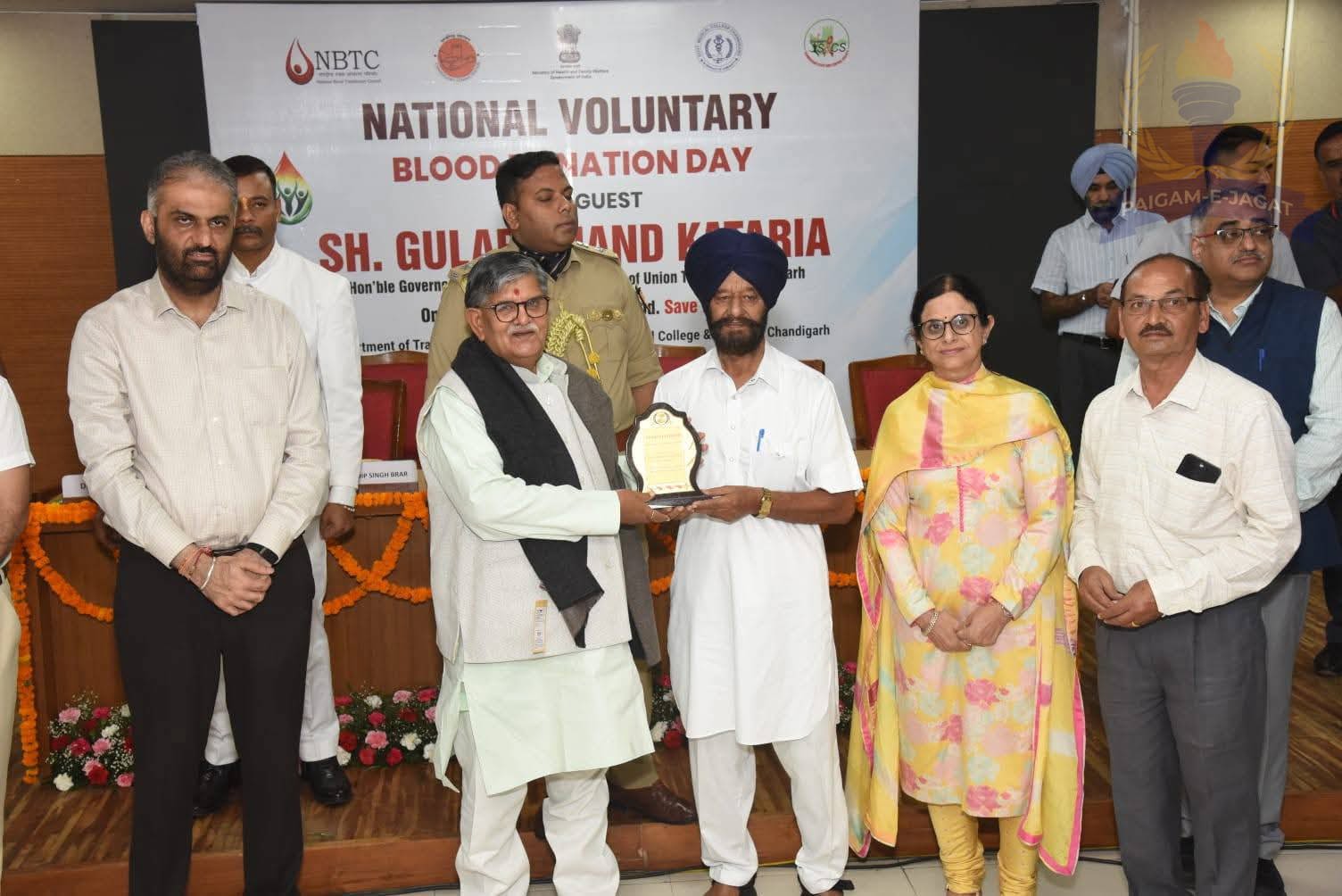
On his arrival at the programme, BIS officials welcomed Food, Civil Supplies and Consumer Affairs Minister Rajesh Nagar by presenting him with a bouquet. He was also honoured with a shawl.
Chandigarh Mayor Saurabh Joshi, Deputy Director General of the BIS Northern Regional Office Deepak Kumar Singla, senior officials, industry representatives, members of consumer organisations, academicians and other dignitaries were present at the programme.