Chandigarh, September 12:- Haryana has emerged as the leading state in the country in the field of blood donation for the third consecutive year. The achievement reflects large-scale public participation in the state, along with its strengthening blood transfusion infrastructure, digital integration, improved medical safety and growing capacity to provide free life-saving support to patients.
A total of 5.89 lakh units of blood were collected in Haryana and 8,189 blood donation camps were organised. With licensed blood centre facilities now available in all districts, Haryana is moving towards receiving the country's highest honour in the field of blood donation.
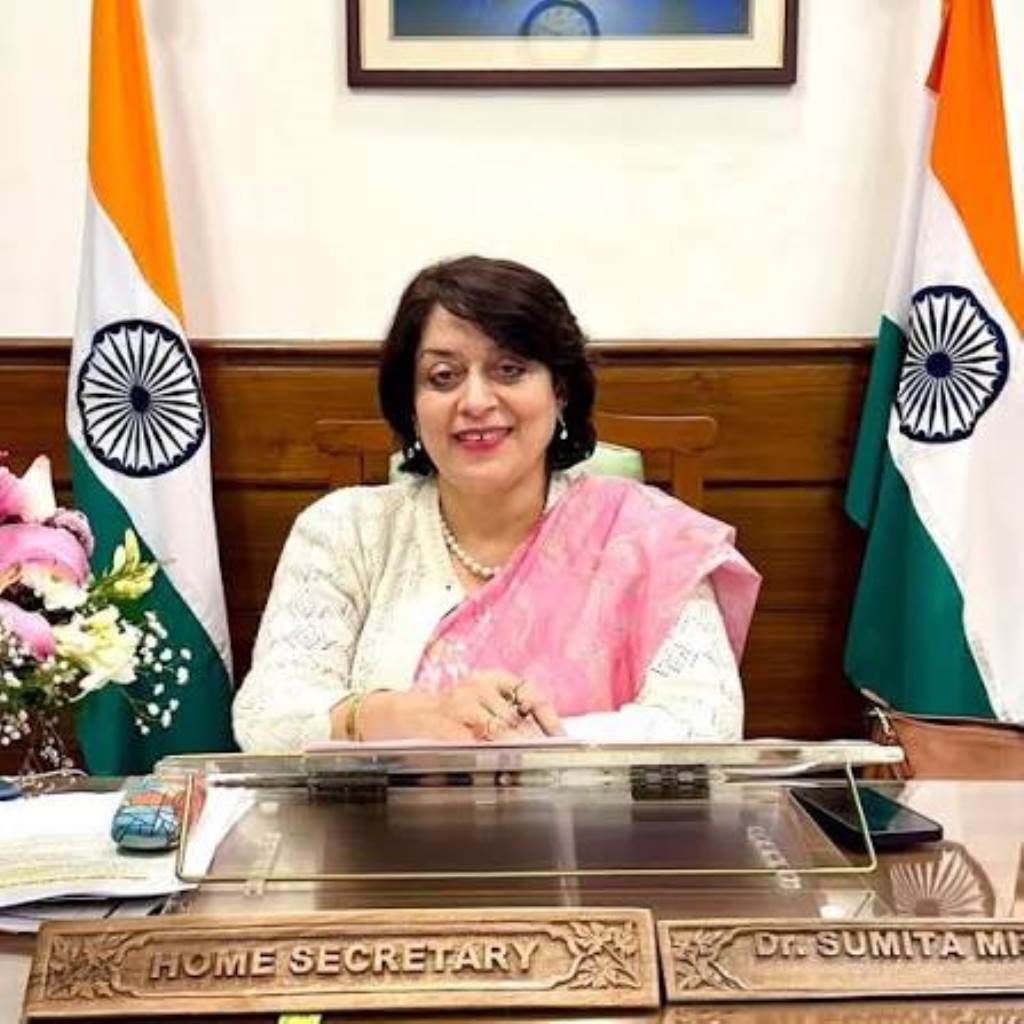
This information was given here today by Dr. Sumita Mishra, Additional Chief Secretary, Haryana Health and Family Welfare Department.
According to official information, based on verified annual blood donation data recorded on the e-RaktKosh portal, Haryana has ranked first among all states in blood donation per one million population. The Government of India will honour Haryana on October 1, 2026, during the National Voluntary Blood Donation Day programme to be organised at Lady Hardinge Medical College in New Delhi.
Dr. Mishra said that Haryana's achievement reflects sustained public participation and the state's continuous efforts to strengthen blood transfusion services, improve medical safety, promote digital integration and ensure the availability of safe life-saving blood and blood components. It is noteworthy that Haryana has secured the top position at the national level for the third consecutive year. Earlier, the state had also received national-level recognition in 2024 and 2025.
5.89 Lakh Units of Blood Collected
Highlighting the scale of the state's achievement, Dr. Mishra said that Haryana collected 5.89 lakh units of blood during 2025-26 and organised 8,189 blood donation camps during the financial year.
With the licensing of the Blood Centre at Charkhi Dadri District Civil Hospital, at least one functional licensed government blood centre is now available in all 22 districts of Haryana, providing complete coverage at the district level.
Haryana's blood transfusion network has also expanded considerably, with the number of blood centres increasing from 146 to 163. At present, the state has 34 government and 129 private blood centres, while 150 blood centres (92 per cent) are equipped with blood component separation facilities. This has strengthened the availability of specific blood components for patients.
Voluntary Blood Donation Gaining Momentum
Dr. Mishra said that Haryana has made rapid progress in increasing voluntary blood donation through focused monitoring and direct interaction with blood centres.
The rate of voluntary blood donation in the state has increased from 79 per cent to 92 per cent as of August 2026. This achievement was made possible after direct online reviews with blood centres and systematic resolution of operational issues.
With this progress, Haryana has moved closer to the national benchmark of 95 per cent. It reflects growing public participation in the life-saving initiative and the state's continuous efforts to ensure greater reliance on voluntary, non-remunerated blood donation.
Digital Transformation Strengthens Blood Services
Haryana has also made significant progress in integrating its blood transfusion services with digital health systems.
Within two months of the launch of the new ABHA-based donor registration feature, 89 blood centres have been integrated with the ABHA system. The facility has been launched on the national e-RaktKosh portal, and the number was zero earlier.
During the same period, 134 blood centres have been actively updating live information on the e-RaktKosh platform, strengthening transparency, improving real-time monitoring and providing better information about blood availability and service performance.
Improved Medical Safety, Reduced Blood Wastage
Haryana has also recorded improved performance on key medical safety indicators. Of the total 1,305 high-risk reactive donors, 1,255, or 96.17 per cent, were successfully tracked and linked with appropriate health programmes, exceeding the benchmark of 85 per cent.
Blood wastage also remained under control, with a discard rate of 2.69 per cent, which is below the benchmark of 4 per cent.
Free Blood and Life-Saving Support for Patients
Dr. Mishra said that Haryana continues to provide important blood-related services free of cost to strengthen access for patients requiring life-saving treatment.
Blood and blood components are provided free of cost to patients admitted to government hospitals. Eligible BPL and dengue patients at government institutions are also provided free Single Donor Platelets.
The state also provides support to patients suffering from disorders such as thalassemia, haemophilia and sickle cell anaemia, who require repeated and lifelong treatment.
At present, 1,443 thalassemia patients and 1,018 haemophilia patients are registered in district civil hospitals, and under the state's support system, they are being provided free iron chelation medicines and anti-haemophilia factors, respectively.
Large-Scale Public Participation Strengthens Blood Donation Campaign
Dr. Mishra said that large-scale public participation has played an important role in Haryana's success. During the blood donation campaign organised across the state on May 5, 2025, a total of 10,183 citizens donated blood in a single day.
During Operation Sindoor in May 2025, Haryana collected 2,374 units of blood through 51 blood donation camps organised under the leadership of youth. During this initiative, a disaster management plan for Haryana's first blood bank was also launched, strengthening preparedness of blood transfusion services for emergency situations.
NCI Jhajjar Blood Centre, which is the first paperless blood centre, was declared Haryana's Best Blood Centre by the National Blood Transfusion Council (NBTC), Ministry of Health and Family Welfare, Government of India, on June 14, 2026, on the occasion of World Blood Donor Day in Gujarat. The honour was conferred for better performance on national key performance indicators and the use of state-of-the-art and automated blood centre technology.
Next Phase: Advanced Testing and Further Expansion
Outlining the way forward, Dr. Mishra said that Haryana is now moving towards the next phase of strengthening blood transfusion services through advanced technology to further improve blood safety.
Approval has been given for installation of an ID-NAT machine facility at the Blood Centre of PGIMS Rohtak, which will further strengthen screening for transfusion-transmitted infections.
Dr. Mishra said that Haryana's continued focus on voluntary blood donation, modern blood centre infrastructure, digital monitoring, blood safety and patient-centric support will further strengthen the state's blood transfusion system and ensure timely availability of safe blood and blood components to people in need.