Ludhiana:- A 56-year-old brain stroke patient from Ludhiana got a new lease of life after undergoing a successful mechanical thrombectomy at Livasa Hospital, Mohali. The advanced procedure helped the patient recover from a life-threatening neurological emergency.
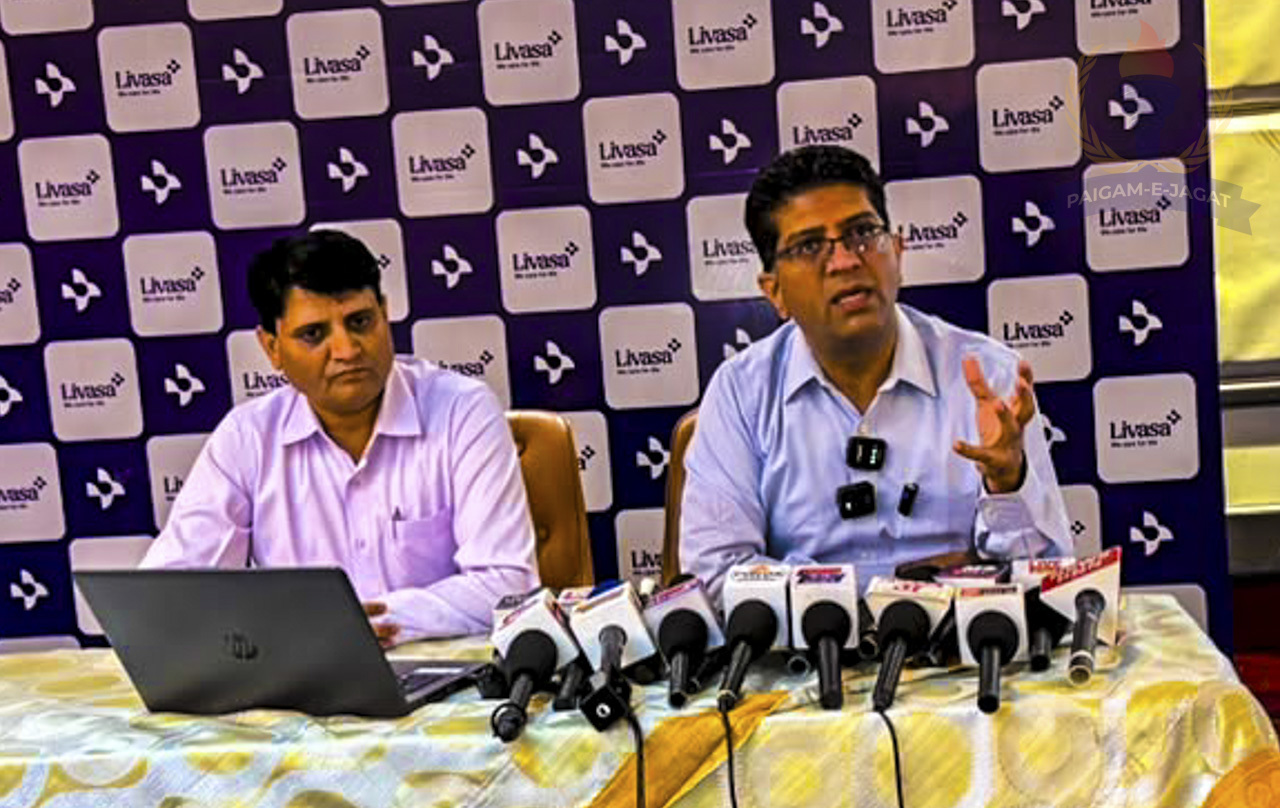
Sharing details during a press conference at a hotel in Ludhiana on Friday, Dr. Vineet Saggar, Director-Neuro and Spine Surgeon and Head of Neuro-Intervention at Livasa Hospital, Mohali, said that timely treatment and advances in modern stroke care could help save patients’ lives.
The patient was brought to Livasa Hospital after developing symptoms of a stroke. Detailed imaging investigations revealed a blockage in a major blood vessel supplying blood to the brain. Considering the severity of the stroke and the patient’s medical condition, the team of doctors decided to perform a mechanical thrombectomy.
In this procedure, a specialised device is guided through the blood vessels to the site of the blockage, where the blood clot obstructing blood flow to the brain is removed.
Dr. Saggar further said that mechanical thrombectomy had brought significant changes to the treatment of selected patients suffering from strokes caused by blockages in large blood vessels.
He said, “Stroke is a medical emergency in which every minute counts. Timely recognition of symptoms, immediate imaging investigations and early referral to a well-equipped stroke centre can significantly influence treatment outcomes.”
Dr. Saggar also explained the ‘Namaste’ protocol, a simple and practical method that helps family members and people nearby quickly identify potential stroke symptoms.
He explained that under this protocol, the patient is asked to join or raise both hands, smile and speak, look to the left and right, and stand up. If the patient experiences difficulty performing any of these actions, such as one arm dropping, one side of the face drooping, slurred speech, abnormal eye movements or loss of body balance, these should be considered warning signs of a stroke, and immediate medical assistance should be sought.